
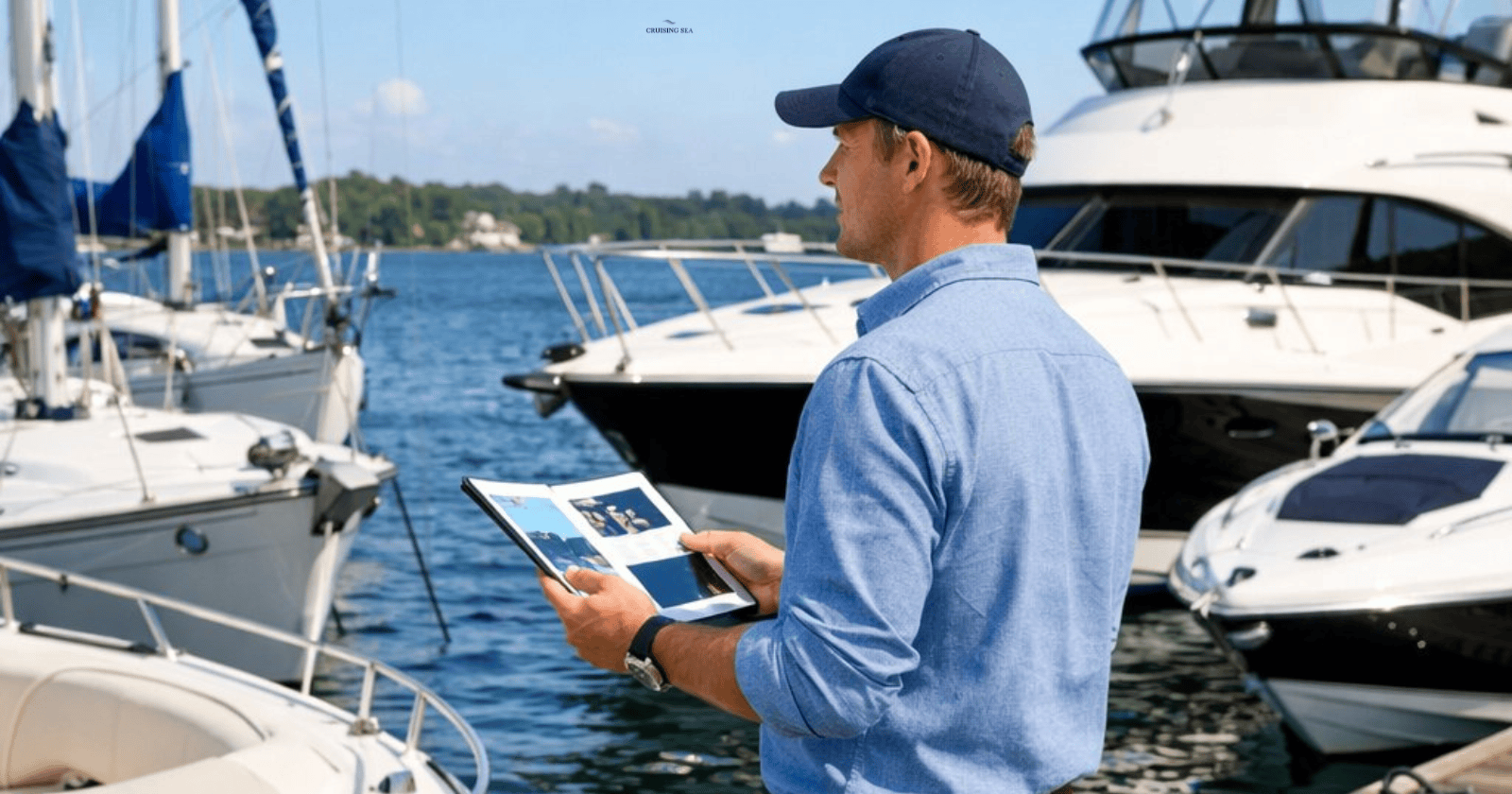
Buying a boat is exciting, but with so many options available, knowing how to choose the right boat for you can feel overwhelming. From speedboats and pontoons to fishing boats and cruisers, each type is designed for a different purpose. The key is choosing a boat that fits how you’ll actually use it, where you plan to go, and how much time and budget you’re willing to commit. When your boat matches your lifestyle, every trip on the water becomes more enjoyable and stress-free.
What’s Your Boating Goals?
Choosing a boat really starts with knowing how and where you’ll use it. Your goals depend on several factors, including size, style, engine, and even those small features that make life easier. It’s worth picturing what a typical day on the water looks like for you—and for anyone else coming along.
Primary Boating Activities
Jot down what you want to do most. Fishing, cruising, watersports, and relaxation all pull you toward different boats. Fishing on a quiet lake? That’s a whole different vibe than wakeboarding on a fast river or poking around the coastline.
If you’re a diehard angler, you’ll want rod holders, a spot to stash your catch, and room to move. Into tubing or wakeboarding? You’ll need some muscle in the motor and a tow point. Cruisers and pontoons work well for slow rides, family hangs, or sunset snacks.
It helps to separate activities you’ll do all the time from the ones that are just “nice to have.” Honestly, buying a boat just for that one annual fishing trip probably isn’t the move if you’re mostly out with kids or friends.
Who Will Use The Boat
Who’s coming with you? That changes everything. A solo angler can keep things basic, but a family with small kids or older relatives needs space, shade, and safety features—think railings and a stable hull.
Capacity matters more than you’d think. Boats have a max passenger rating, and you’ll want some wiggle room. If you’re planning long days, options like a small cabin or even a simple restroom can be a game-changer.
Sharing the boat or taking turns at the helm? Try out the controls—some boats are just easier to drive. If you’ll have a mix of ages or experience levels, adjustable seating and flexible storage make a big difference.
Preferred Boating Destinations
Where you’ll spend your time on the water totally changes what you should buy. Lakes and calm rivers usually work fine for smaller boats with outboards or pontoons. Open ocean or big bays? You’ll need something tougher, with a hull that can handle waves and saltwater.
On inland lakes, fuel efficiency and shallow draft are key. For coastal waters, you want corrosion resistance and more horsepower. If you switch between salt and freshwater, look for extra protective coatings and plan on a bit more maintenance.
Check out local dockage, launch ramps, and depth limits before you buy. Sometimes it’s easier to own a trailerable boat, sometimes you’ll want to keep it in the water year-round. Knowing your usual routes will save you from a lot of hassle (and surprise expenses) later on.
Matching Boat Types To Your Needs
Boats come in all shapes and sizes—and each one’s built for something different. Power, comfort, and size all play a part in matching your boat to your hobbies and who’s joining you out there.
Choosing For Fishing
If fishing is your thing, you’ll want a boat that’s stable and has space for all your gear. Bass boats are made for speed on lakes and rivers, with trolling motors, fish finders, and livewells built in.
Chasing lots of species? Multi-species or aluminum fishing boats are your best bet. Aluminum is lighter on the wallet, easy to tow, and holds up well—especially in shallow water or on smaller lakes.
If you’re fishing the coast, look at center console boats or bay boats. They’re designed for saltwater, with outboard engines that pack more punch and are easier to maintain. Bigger center consoles can even double up for family cruising.
Choosing For Watersports
If you’re into wakeboarding, water skiing, or wake surfing, you’ll want a boat that has lots of power and wake. Ski boats or wakeboard boats have inboard engines that kick up the perfect waves for tricks. Some even have surf systems or ballast tanks to dial in the size of your wake.
Looking for flexibility? Bowriders and deck boats are great for watersports, but also work for families who just want to swim or cruise. Bowriders handle like a sports car, while deck boats give you more space for gear and friends.
Don’t forget about personal watercraft (jet skis). They’re fast, fun, and easy to launch—just not ideal for groups or all-day outings.
Keep an eye on seating capacity, engine power, and storage for all your boards and life jackets.
Choosing For Cruising And Entertaining
If your goal is hanging out with friends or family, comfort’s king. Pontoon boats top the list with their flat decks and roomy seating. They’re super stable, easy to board, and perfect for calm water. Newer models even have enough horsepower to cruise at a good clip.
Want something a bit sportier? Runabouts or sports boats are nimble and great for short trips. If you’re always the host, deck boats blend speed with open space for groups.
Bowriders are also a hit for social rides—upfront seating lets everyone catch the breeze and talk easily.
Pick based on your usual crew size and how much shade, range, or storage you want.
Options For Overnight And Long Trips
Planning weekends or longer trips? Look for boats with cabins and features you can actually live with. Cuddy cabins and cabin cruisers give you a place to sleep, a tiny kitchen, and sometimes a bathroom. Express cruisers step it up with bigger cabins and weather protection.
For big adventures, trawlers and motor yachts are built for the long haul. Trawlers go slow but sip fuel and handle rougher water smoothly. Motor yachts and catamarans offer more room and speed—great for hopping between ports or islands.
Sailboats and daysailers attract those who want to travel quietly on wind power. They need more hands-on skills, but you’ll save on fuel and get a totally different experience on the water.
Considering Where You’ll Boat
The water you’ll explore changes everything—from boat size to hull shape. Every spot—whether it’s a glassy lake, twisty river, sheltered bay, or open ocean—gives its own quirks and challenges.
Understanding Water Conditions
Water type really changes how a boat feels. Lakes are usually calm, so you can use lighter boats like pontoons or small runabouts. Rivers have currents and tight spots, so you’ll want something that steers easily and doesn’t sit too deep—running aground is no fun.
Bays are mostly sheltered, but the weather can kick up chop fast. A mid-sized motorboat or catamaran can handle those ups and downs. For the open ocean, you’ll need something more serious. Big swells and wind mean you want a boat with high sides and solid construction.
Knowing your usual water helps you balance comfort and safety. Calm lakes reward wide, stable decks, while rough coastal waters need a hull ready for a challenge.
Matching Hull Types To Environment
Hull shape matters more than most people think. A deep‑V hull slices through waves and keeps things smooth offshore, but it sits deeper and burns more fuel. It’s the go-to for bays and the ocean.
Pontoon hulls (those big aluminum tubes) ride flat on calm water—awesome for lakes and gentle rivers, not so great in big waves.
Catamarans have two hulls for killer stability and efficiency. They work for everything from bays to moderate offshore trips, though they do take up more space at the dock.
Here’s a quick look:
| Hull Type | Best Environment | Key Advantage | Key Limitation |
|---|---|---|---|
| Deep‑V | Bays, Open Ocean | Smooth ride in choppy water | Higher fuel use, deeper draft |
| Pontoon | Lakes, Rivers | Stable, roomy deck | Poor performance in rough seas |
| Catamaran | Bays, Coastal | Excellent balance, efficient | Larger footprint in marinas |
Choosing The Right Boat Size And Capacity
Boat size and capacity change everything—comfort, safety, and even how much you’ll spend in the long run. What fits depends on your experience, how many people you’ll bring, and where you’ll keep your boat when it’s not in the water.
Boat Size For Beginners
If you’re new to boating, start with a size that feels manageable. Boats between 15 and 22 feet are usually easier to handle, dock, and maintain. They’ve got enough space for a small group but stay light enough to tow with a regular vehicle.
Smaller boats cost less to fuel and insure, so they’re a solid pick if you’re not sure about long-term ownership. Picking up a used boat instead of something brand new can save you money upfront and let you figure out which features actually matter before you go bigger.
Learning navigation and basic maintenance comes easier on a smaller boat. If you get comfortable and want more space down the road, you can always trade up.
Passenger Capacity
Match your boat’s capacity to how many people you’ll usually bring. Check the maximum capacity plate (it’s usually by the steering wheel) before you buy. Too small and everyone’s cramped; too big and it’s a pain to handle.
Here’s a rough guide:
| Group Size | Recommended Boat Length |
|---|---|
| 1–2 people | 12–18 feet |
| 3–6 people | 18–24 feet |
| 7+ people | 25+ feet |
When you’re planning for family or friends, think about comfort, seating, and storage. Boats over 20 feet usually offer more space, better stability, and maybe even a small cabin or galley.
Storage And Transport Considerations
Think about where you’ll keep and move the boat. If you’ve got space at home, a smaller boat on a trailer works. Just double-check that your vehicle can tow it safely. Lightweight boats under 3,500 pounds are easier to haul; bigger ones might need a beefier truck or even pro transport.
If home storage’s out, marinas and dry stacks are options, but those come with fees—sometimes just a small monthly bill, sometimes a lot more each season.
Cover your boat if you’re storing it outside, or the sun and rain will do a number on it. If you’re looking at used boats, give the trailer and hull a good look before you buy. Planning here can save you headaches—and cash—later.
Budgeting For Your Boat Purchase
When you’re eyeing a boat, the biggest things that shape your budget are the type and age of the boat, how you’ll pay for it, and what it’ll cost you after the sale. Getting a handle on all that helps you set a budget that won’t leave you with regrets.
Purchase Cost: New vs. Used
Buying new feels good—everything’s under warranty and in perfect shape. You can pick your engine, electronics, all that. But you’ll pay for it, and the value drops fast (sometimes 10–20% the moment you leave the dealer).
Used boats save you a chunk upfront, but you’ve got to be careful. Always hire a marine surveyor to check things out before you sign. That inspection gives you a clear picture of the boat’s structure, engine, and safety gear.
However, it’s always best to compare both, add up possible repair costs for used boats, and see which fits your wallet best.
Hidden And Ongoing Costs
The sticker price? Only part of the story. You’ll also be paying for maintenance, storage, fuel, and registration. Seasonal stuff like winter storage or haul-outs can sneak up on you.
Routine maintenance means engine service, cleaning, hull checks—the basics. Figure on about 10% of the boat’s price each year for upkeep. Saltwater boats? They’ll cost more to maintain, no surprise there.
Insurance is another regular bill. Boat insurance rates depend on the type, age, value, and even where you use the boat. Always shop around for quotes and check if you’re covered for towing, storm damage, or theft.
Upgrades pop up too—electronics, deck gear, safety stuff. Keep a little cushion in your budget for the things you didn’t plan on.
Financing And Insurance Tips
If you’re not paying cash, check out banks, marine lenders, or dealer financing. Marine loans often run longer than car loans—sometimes 15 or 20 years. Compare rates and terms; even a tiny difference can save you a lot over time.
Most lenders want a marine survey before they’ll approve a loan, especially on used boats. It’s basically like a home inspection. You’ll also need proof of boat insurance before the loan goes through.
When you’re picking insurance, look at what’s actually covered. Comprehensive policies protect against damage, liability, and even environmental cleanup. Ask about discounts if you’ve taken safety courses or have secure storage.
Try to plan out your financing and insurance together, so you know both your monthly payment and your yearly costs. It just makes things less stressful as a new owner.
Taking The Next Steps
Finding the right boat isn’t just about reading reviews or scrolling through listings. You need to see how it feels on the water, know who you’re dealing with, and make choices you won’t regret later.
Test Driving And Hands-On Inspection
Treat a boat test drive like you would a car. Ask to get it out on the water and see how it accelerates, turns, and idles. Try it at different speeds and in conditions similar to where you’ll actually use it.
Pay attention to comfort and visibility at the helm. Check stability as you move around, steering, and noise levels. Jot down anything odd or impressive—you’ll forget otherwise.
Once you’re docked, poke around everywhere. Step into cabins, open lockers, press on decks for soft spots. Flip switches, test electronics, and look for signs of corrosion or weird smells that could mean leaks or mold if it’s a used boat.
A marine surveyor can spot hidden mechanical or structural problems. Spending a bit on that up front might save you a lot more later.
Working With Dealers Or Brokers
Dealers and brokers can take some hassle out of boat shopping—they’ll handle paperwork, financing, and registration. Dealers usually stick to certain brands and offer warranties and service packages. Brokers help you look at boats from all sorts of sellers, mostly used, and can help with pricing and negotiation.
Make sure anyone you work with is licensed and has a solid track record. Ask about fees right away. Brokers usually charge 5–10% commission; dealers might have their fees rolled into the price. Get all the costs in writing.
Good ones will answer your questions, show you maintenance records, and give you the ownership history. If they dodge questions or rush you, walk away—seriously.
Essential Tips For First-Time Buyers
Set a realistic total budget—purchase price plus annual costs like insurance, fuel, dock fees, and maintenance.
Learn the basics of safe navigation and maintenance before you head out regularly. Local classes and online certifications can help a lot.
Take some time to get familiar with the paperwork—registration, taxes, titles. Keep records of all your service work. And before you buy, really think about where you’ll store the boat, how you’ll trailer it, and who’s going to help you keep it running. Small choices now make life way easier later.
Final Words!
Choosing a boat isn’t about impressing anyone—it’s about enjoying your time on the water. The best boat is the one that feels easy, comfortable, and exciting for you.
Take your time. Be honest about how you’ll use it. Leave room in your budget for ownership costs. And remember: a simpler boat that gets used often is always better than a perfect one that sits idle.
When you find the right fit, you’ll know. And once you’re out there, none of the overthinking will matter—only the water, the moment, and the memories you’re making.
Frequently Asked Questions
What features should I consider when selecting a recreational boat?
Think about what you’ll do most. If you’re after family relaxation, focus on comfy seating, shade, and storage.
If fishing’s your thing, look for rod holders, livewells, and easy water access. Don’t forget to check engine power, fuel efficiency, and safety gear before you decide.
Can you recommend a boat comparison tool to help me make a decision?
Sites like Boat Trader and Discover Boating have comparison tools that show specs, prices, and photos side by side. They really do save time and help you spot which models fit your budget and plans.
Some manufacturers also offer their own online boat selectors, walking you through questions about size, speed, and features to help you narrow it down.
How do I determine the right size of boat for my needs?
Start with your usual group size. Smaller boats, about 16–20 feet, work for a few people and lakes. Bigger boats (24 feet and up) are better for coastal waters.
Consider where you’ll dock or store it—space and towing capacity can be deal-breakers.
What’s the best boat to get if I’m mainly interested in fishing?
For fishing, bass boats and center consoles are super popular. Bass boats are great for freshwater; center consoles handle bigger, open water.
Look for rod storage, a livewell, and a deck that’s not cluttered. You’ll want room for your gear and a stable spot to cast from.
Are there quizzes that can help me figure out which boat matches my lifestyle?
Yeah, actually—some boating sites like Discover Boating and big-name dealers have quick lifestyle quizzes. They’ll toss a few questions your way about how you want to use your boat, what kind of budget you’re working with, and where you’ll take it.
These tools won’t decide everything for you, but they can nudge you toward boat types that fit what you’re looking for.

Daniella has been passionate about travel, the sea, and nature for many years. As a child, she frequently traveled throughout the Mediterranean and continued with her journeys throughout her adult life.
Her experiences have created the desire within her to share her love for traveling with other passionate and adventurers who want to discover beautiful horizons and new cultures.