

Spain’s coastlines invite you to explore calm coves, lively ports, and clear blue waters that stretch for miles. Whether you want a peaceful sail along the Costa Brava or a fun day trip around the Balearic Islands, each destination offers its own mix of culture, scenery, and sea life. You’ll discover where to find the best boating spots in Spain and what makes each one worth visiting.
You can cruise past golden beaches, drop anchor near quiet islands, or enjoy the energy of coastal towns like Ibiza and Mallorca. This guide helps you plan your next trip on the water, from hidden gems to popular marinas, so you can make the most of Spain’s beautiful shores.
1) Costa Brava
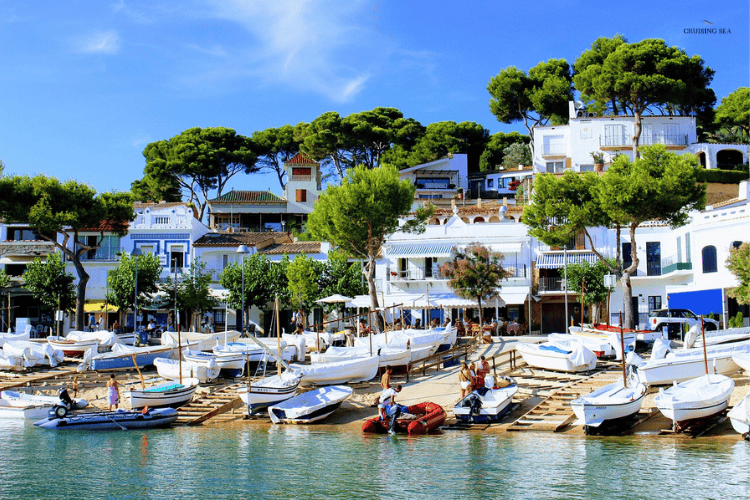
Perched on Spain’s northeastern coast, Costa Brava stretches from just above Barcelona to the French border. The area mixes rocky cliffs, small coves, and clear blue water, making it one of the best spots in Spain for boating.
You can rent a small boat or join a local cruise to explore the coastline. Many visitors like stopping at quiet beaches such as Cala Montjoi or Aiguablava, where the water stays calm and clean. The weather is warm most of the year, so it’s easy to plan a trip almost anytime.
If you enjoy small towns, you can dock near places like Cadaqués or Tossa de Mar. These towns have harbors, seafood restaurants, and views that make quick stops worthwhile. You can sail between towns in a single day since the distances are short.
Costa Brava’s mix of nature and culture gives you a lot of choices. Whether you’re after a peaceful day on the water or a few scenic hops between ports, this coastline always delivers something memorable.
2) Ibiza
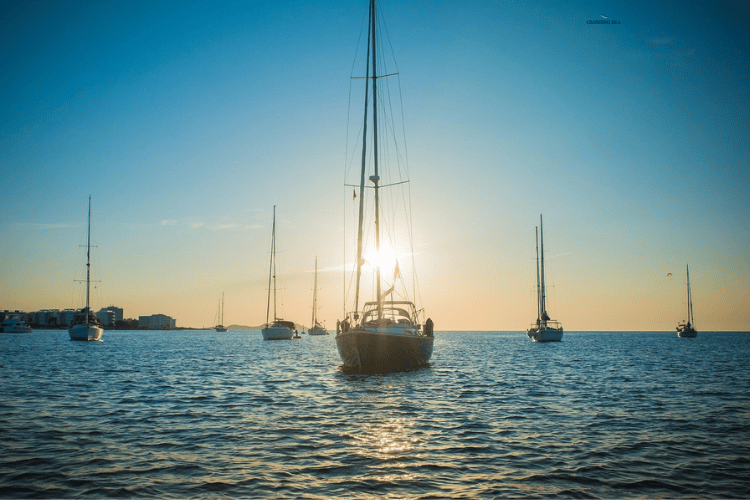
Among Spain’s islands, Ibiza stands out for its crystal waters, rugged cliffs, and hidden coves that are perfect for boating adventures. The island’s main marina, Marina Ibiza, offers modern facilities and easy access to the sea.
Sail along the southwest coast to see Es Vedrà, a small rocky island known for its dramatic shape and calm surroundings. The area is great for swimming or taking photos from your deck.
If you want lively beach stops, head toward Cala Bassa or Cala Comte. Both spots have calm blue water and beach clubs where you can relax or grab a meal.
For a quieter cruise, visit Formentera and Espalmador just south of Ibiza. These islands have shallow turquoise water and soft white sand, ideal for anchoring and spending a slow afternoon.
You can choose from private charters, shared catamaran tours, or full-day cruises. However you explore, Ibiza’s coastline blends energy and serenity in a way few places can match.
3) Mallorca
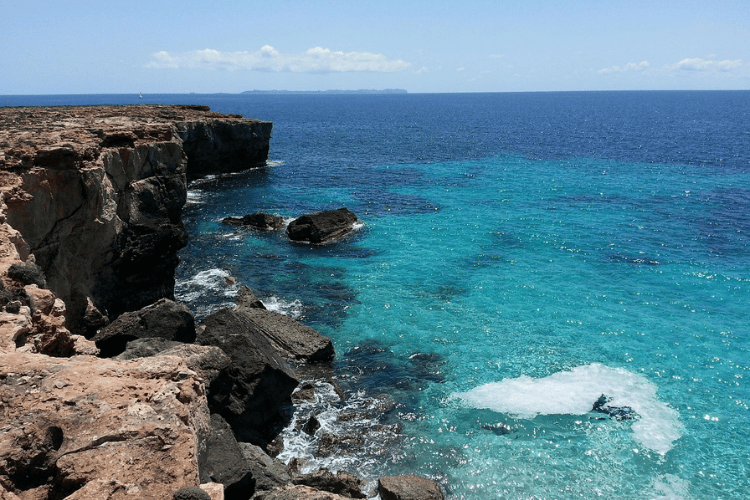
The island of Mallorca is a favorite for boaters thanks to its calm seas and stunning coastline. Sitting in the Balearic Sea, it offers countless coves and small harbors to explore at your own pace.
Sail along the north coast near Port de Pollença to see rugged cliffs and quiet bays. The area around Cap de Formentor gives you clear water and dramatic coastal views that are easy to reach by boat.
Head south or east if you want warmer water and sandy beaches. Spots like Cala Llombards, Cala Mondragó, and Cala des Moro are small but beautiful, perfect for swimming or anchoring for lunch.
If you prefer a livelier stop, visit Santa Ponsa or Port d’Andratx in the southwest. These towns have marinas, restaurants, and places to rest before your next trip.
You can rent sailboats, catamarans, or small motorboats across the island. With so many routes and moods to choose from, Mallorca makes every voyage feel like a new discovery.
4) Formentera
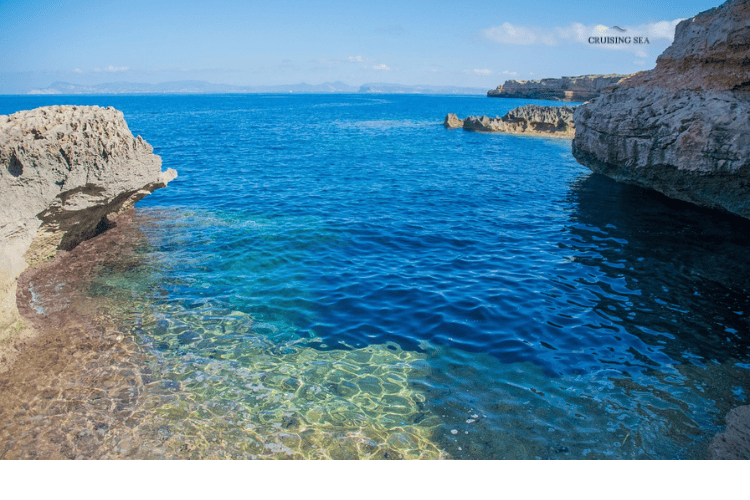
Just south of Ibiza lies Formentera, a peaceful island surrounded by turquoise waters that make boating effortless and relaxing.
Start your day from the port of La Savina, where most boat tours and rentals begin. From there, you can cruise along the coast and stop at beaches like Ses Illetes, known for its soft white sand and shallow water.
You can anchor near hidden coves that are only reachable by boat. These quiet spots are great for swimming, snorkeling, or paddleboarding without big crowds.
If you have time, sail around the island to see rocky cliffs, small bays, and open stretches of sea. The short distances make it simple to visit several beaches in one day.
Whether you rent a sailboat, catamaran, or small motorboat, Formentera rewards you with a sense of calm and freedom that’s hard to find anywhere else.
5) Costa del Sol
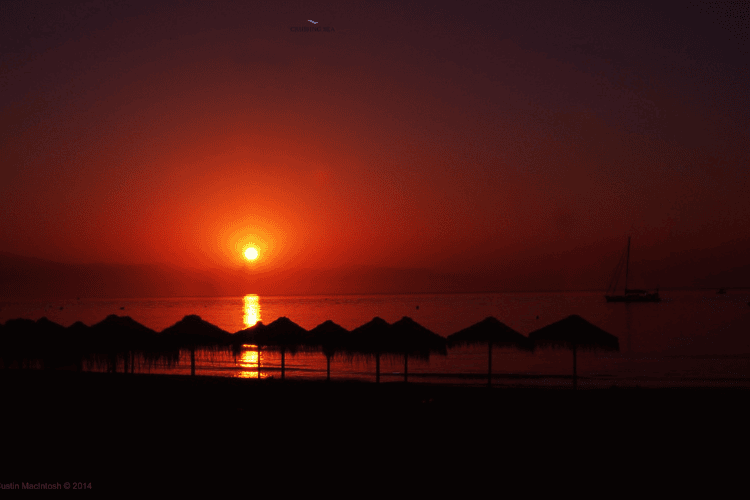
On Spain’s sunny southern coast, the Costa del Sol stretches across the province of Málaga and offers some of the best waters for easy, enjoyable boating.
Here, you can also rent a sailboat, yacht, or small motorboat to explore beaches like Cabopino, Burriana, and La Carihuela. Each spot offers clear water and good conditions for swimming or anchoring for lunch on board.
Marinas such as Puerto Banús and Marbella attract both locals and visitors with restaurants and shops right by the docks. You can stop for a meal, refuel, and continue your trip along the coast.
If you like sightseeing, you can cruise past seaside towns or anchor near quiet coves for a swim. The mix of modern ports and traditional fishing villages gives you a good view of local life from the water.
With its sunny skies and calm seas, the Costa del Sol makes every day on the boat feel like a holiday.
6) Balearic Islands
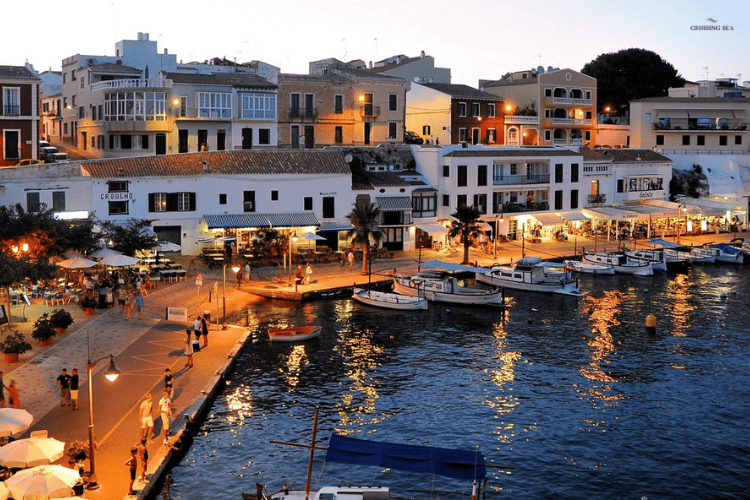
Off Spain’s eastern coast, the Balearic Islands form a paradise for sailors and boaters alike. This group includes Mallorca, Menorca, Ibiza, and Formentera—each with calm seas, clear water, and plenty of marinas.
You can sail short distances between islands and stop at quiet coves or small beaches. Ibiza and Formentera, known as the Pitiusas Islands, are great if you like relaxed cruising and scenic anchorages.
Mallorca has larger ports and more nightlife, while Menorca feels quieter and more natural. You’ll see rocky cliffs, sandy bays, and towns with local markets and seafood restaurants.
The best time to go boating here is between April and October, when the weather stays warm and the sea is calm. No matter which island you choose, the Balearics promise endless horizons and unforgettable days at sea.
7) Tenerife
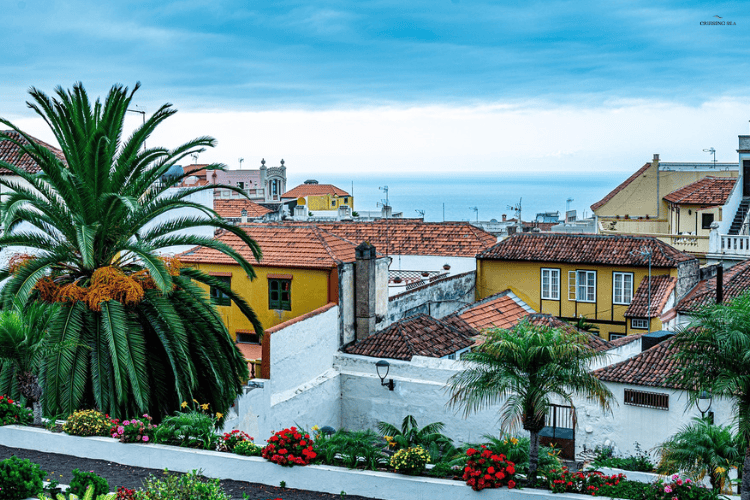
Boating in Tenerife is a year-round pleasure thanks to the island’s mild climate and calm Atlantic waters. Located in the Canary Islands, it offers both excitement and tranquility by the sea.
You might start around Costa Adeje, where many boat tours depart for short coastal trips. The area is known for whale and dolphin watching, and you often spot pilot whales close to shore.
If you prefer a scenic route, sail toward Los Gigantes. The tall cliffs create a dramatic backdrop while you cruise along the coast. You can drop anchor nearby for a swim or snorkel in clear water.
Tenerife also has several marinas, like Puerto Colón and Los Cristianos, where you can rent sailboats or catamarans. These spots make it easy to plan your own route and explore at your own pace.
From marine life to mountain views, Tenerife offers a boating experience that feels both adventurous and effortless.
8) Mar Menor
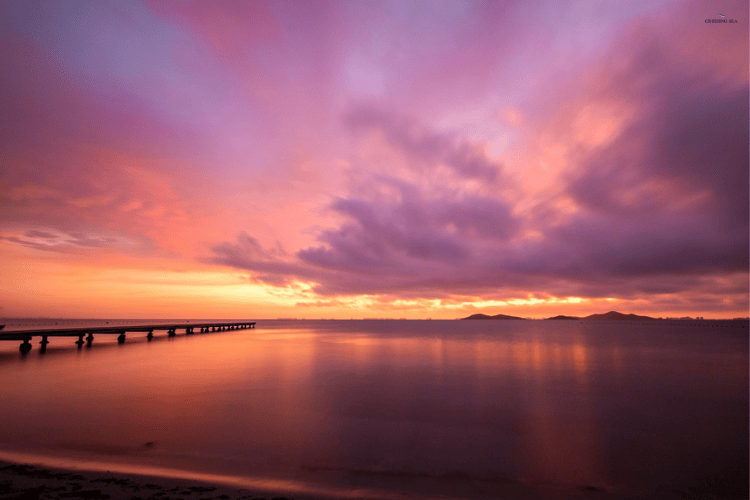
On Spain’s southeastern coast lies Mar Menor, a vast saltwater lagoon separated from the Mediterranean by a narrow strip of land called La Manga. Its shallow, calm waters make it perfect for relaxed boating.
You can rent small boats, kayaks, or paddleboards from local marinas. Many companies also offer short cruises that circle the lagoon and stop near small islands like Isla Perdiguera or Isla Mayor. These trips give you a good view of the coastline and the surrounding hills.
If you prefer something more relaxed, take a sunset ride across the lagoon. The water stays smooth, and the views are peaceful. There are many beachside restaurants along La Manda, where you can stop for a delicious meal.
Because the lagoon is protected, you’ll see plenty of birdlife and clear water most of the year. It’s an ideal place to slow down and enjoy Spain’s quieter side.
9) Girona Coast
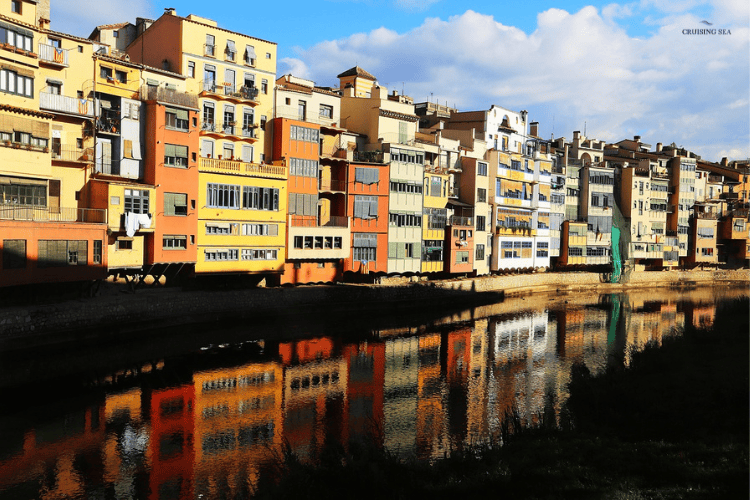
Exploring the Girona coast by boat lets you see some of the most beautiful stretches of the Costa Brava. The coastline mixes rocky cliffs, small coves, and clear blue water that’s great for swimming or snorkeling.
If you rent a sailboat or join a catamaran tour, you’ll get to stop at quiet beaches and seaside towns like Calella de Palafrugell or Cadaqués. These places keep their local charm with whitewashed houses and small harbors.
Many tours also visit Cap de Creus, where the rugged cliffs meet the sea. The area feels peaceful and natural, perfect if you want to escape crowded beaches.
You can choose from group cruises, private charters, or short half-day trips. Some even include meals or time to swim in hidden coves.
A day on the Girona coast is a reminder of why this part of Spain remains one of the Mediterranean’s best-kept secrets.
10) Menorca
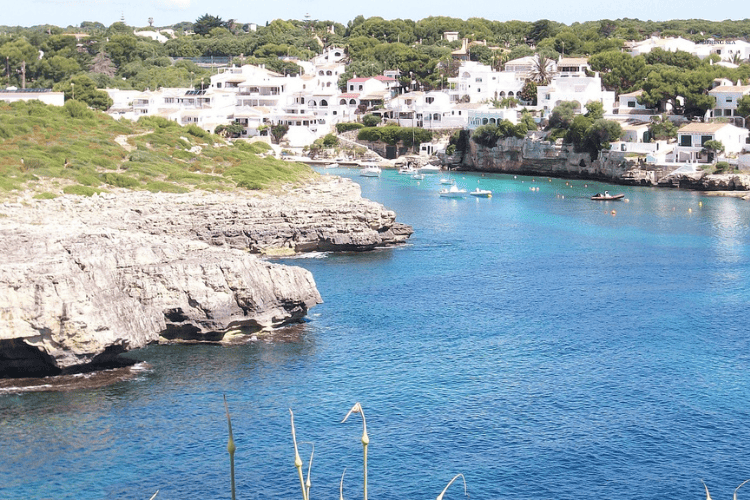
Boating around Menorca offers a calm and scenic way to experience the island’s unspoiled coastline. The water is clear, the beaches are pristine, and the pace is refreshingly slow.
You can join short boat tours from Fornells or Ciutadella that stop for swimming and snorkeling in quiet coves. Northern trips often include time to relax in sheltered bays, while southern routes show off white-sand beaches like Cala Macarella and Cala Mitjana.
If you prefer a longer day out, catamaran cruises allow you to explore several beaches and enjoy local cuisine onboard. Many tours provide snorkel gear, shade, and drinks, so you can focus on the views.
Private charters are also easy to find if you want more space or flexibility. You can anchor near hidden coves, swim in shallow turquoise water, or just enjoy the coast at your own pace.
With its gentle rhythm and natural charm, Menorca is the perfect place to let the sea set your schedule.
Essential Boating Tips in Spain
Spain’s waters offer calm seas, sunny skies, and plenty of marinas, but conditions and rules can change by region. Planning your trip around the weather, knowing local laws, and packing the right gear will help you have a safe and easy time on the water.
Best Times to Go Boating
The best time to go boating in Spain depends on where you sail. The Mediterranean coast—including Costa Brava, Costa Blanca, and the Balearic Islands—has warm weather and gentle winds from May to October. You’ll find calmer seas and longer daylight hours during this period.
If you prefer fewer crowds and cooler temperatures, April, May, September, and early October are ideal. In contrast, the Atlantic coast, such as Galicia or the Basque Country, can be windier and wetter, so summer months are usually better.
Keep in mind that winter boating is possible in southern regions like Andalusia, but sea temperatures drop, and daylight is shorter. Always check local forecasts before heading out, as sudden changes in wind and tide can affect smaller boats.
Local Rules and Regulations
Spain enforces clear boating laws to protect its waters and ensure safety. You’ll need a boating license if you plan to operate motorized or larger sailboats. Visitors can often use an international boating certificate (ICC) or a national license recognized by Spanish authorities.
When renting a boat, most marinas require proof of experience, valid ID, and sometimes a short safety briefing. You must also carry life jackets for everyone on board, fire extinguishers, and navigation lights if you plan to sail at night.
Anchoring is restricted in some areas, especially near marine reserves or protected beaches. Look for local signs or ask marina staff before dropping anchor. Keep noise low near coastal villages, and always respect speed limits in ports and near swimmers.
What to Pack for Your Trip
Pack light but smart. Bring non-slip shoes, sunscreen, a hat, and polarized sunglasses to protect against glare. A light jacket or windbreaker is useful for cooler evenings or sudden breezes.
Keep a dry bag for valuables and a first-aid kit for minor injuries. Carry plenty of water, snacks, and motion sickness tablets if you’re prone to seasickness.
For navigation and safety, pack a charged phone, portable power bank, and paper charts in case of signal loss. If you’re renting, confirm what’s included on board—many boats already provide safety gear, towels, and basic kitchen items.
Unique Experiences While Boating
You get more than just calm waters and sunshine when you explore Spain by boat. From spotting rare sea life to docking near old fishing villages, every route offers something different and memorable.
Wildlife and Scenery You Can Expect
As you sail along Spain’s coast, you’ll often see dolphins swimming near the bow and seabirds gliding overhead. In the Balearic Islands, clear waters make it easy to spot fish and coral below the surface.
If you head toward the Columbretes Islands, expect rocky landscapes and marine reserves filled with protected species. These small volcanic islands are perfect for snorkeling and quiet anchoring.
The Atlantic side, like Galicia’s Rías Baixas, feels greener and cooler. Here, you can see rugged cliffs, pine-covered hills, and quiet coves that attract seals and seabirds. The mix of Mediterranean and Atlantic environments gives you a wide range of natural views in one country.
Tip: Bring binoculars and a waterproof camera. You’ll want to capture the dolphins, seabirds, and coastal cliffs up close.
Cultural Highlights Along the Water
Boating in Spain also connects you to local traditions and coastal life. Many harbors, like those in Cádiz or Valencia, sit beside old quarters filled with seafood restaurants and open-air markets.
When you dock in Andalusia, you might hear flamenco music drifting from nearby bars. In Catalonia, small fishing towns such as Cadaqués show off whitewashed homes and art galleries once visited by Salvador Dalí.
You can also join local festivals that happen right by the water. For example, in Mallorca, summer boat parades celebrate maritime heritage with decorated vessels and live music.
Final Words!
From the cliffs of Costa Brava to the calm bays of Menorca, Spain’s coastline is built for exploration. Each region offers its own charm — lively ports, quiet coves, and waters that invite you to slow down and enjoy the view.
Wherever you sail, the mix of sunshine, culture, and sea breeze turns every trip into something unforgettable.

Daniella has been passionate about travel, the sea, and nature for many years. As a child, she frequently traveled throughout the Mediterranean and continued with her journeys throughout her adult life.
Her experiences have created the desire within her to share her love for traveling with other passionate and adventurers who want to discover beautiful horizons and new cultures.