
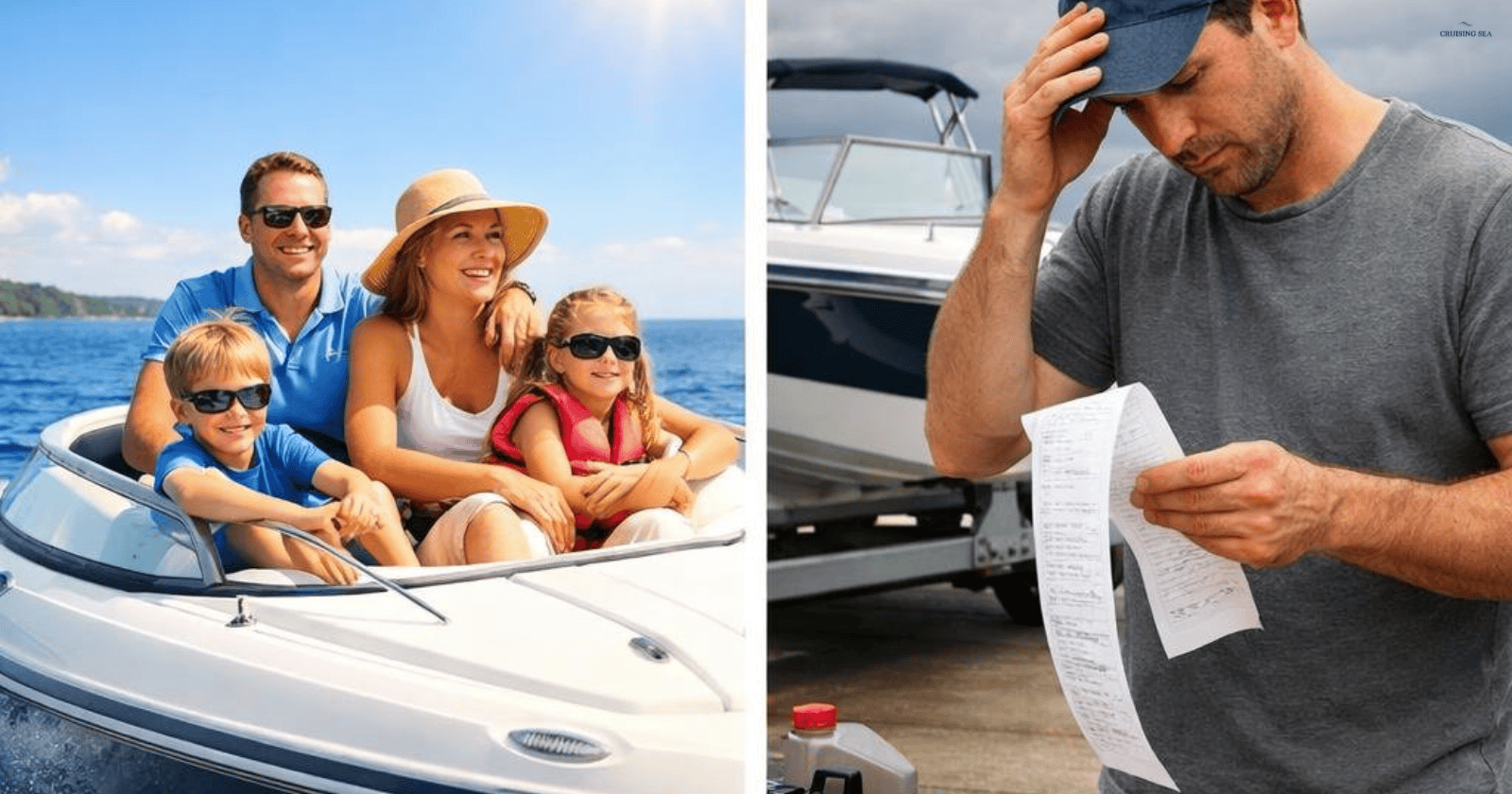
They say the two happiest days of a boat owner’s life are the day they buy it and the day they sell it. But is that old cliché actually true, or just a warning from those who weren’t prepared?
There’s no denying the allure of the open water—the wind in your hair, the sunset cruises, and the ultimate sense of freedom. However, behind every picture-perfect moment lies a world of maintenance, hidden costs, and logistical hurdles.
Before you weigh anchor, let’s dive into the deep end of the pros and cons of owning a boat to see if you’re ready to be the captain of your own ship.
Want More Boating Spots?
Subscribe to Cruising Sea newsletter to receive expert tips right straight to your inbox!
Major Benefits Of Boat Ownership
Grasping the significant benefits of vessel ownership is vital for deciding if you should dive into this major investment or stay on dry land.
Quality Time With Family and Friends
A boat gives you a place where everyone can unplug and spend real time together. Kids can jump in the water and play while adults relax on deck with a cold drink. You can take the whole family wakeboarding or pull someone behind the boat on a tube.
Boats are also great for parties and get-togethers. Birthday celebrations, small family reunions, or just weekend hangouts with friends all feel special when you’re out on the water. Everyone tends to be more relaxed and happy when they’re away from their usual routine.
The boating community is friendly and welcoming. You’ll notice other boaters wave as they pass by. When you dock at restaurants or islands, it’s easy to strike up conversations and make new friends who share your interests.
Your boat becomes a social hub that brings people together and provide unforgetable moments on the water.
Relaxation, Fresh Air, and Stress Relief
Getting outside and breathing fresh air does wonders for your mental health. If you work inside all day, whether at a desk or in a factory, time on the water gives you a complete change of scenery. The sun and breeze help you recharge in ways that staying indoors never can.
You can be spontaneous with your boat, especially if you keep it in a slip. Nothing to do on a Saturday afternoon? Just go. Even simple tasks like cleaning your boat will clear your head when you need a break from daily stress.
The water itself is relaxing. Watching the waves, listening to the sounds, and feeling the gentle rocking of the boat all help you unwind. Even just sitting in your boat at the dock is enough to relax and reset your mind.
Recreational Activities: Fishing, Tubing, and Water Sports
The benefits of boating include access to countless activities. Fishing from a boat lets you reach spots you could never get to from shore. You can try different fishing techniques and explore new waters whenever you want.
Water skiing and tubing are huge hits with kids and adults alike. There’s nothing quite like the thrill of being pulled across the water at high speed. You can also try wakeboarding, kneeboarding, or just floating around on inflatables.
Popular boating activities include:
- Fishing in deeper waters
- Tubing and water skiing
- Snorkeling and diving
- Exploring islands and coves
- Visiting waterfront restaurants
- Watching sunsets from the water
Each trip can be different depending on what everyone feels like doing. Your boat gives you the freedom to mix things up and try new experiences.
Learning New Skills and Personal Growth
Driving a boat isn’t like driving a car. You’ll learn how to navigate, read the water, and handle different conditions. These skills build your confidence and keep your mind active.
Boat maintenance teaches you practical skills, too. You’ll learn how to winterize your boat and handle basic repairs. None of it is rocket science, but it teaches you how to take care of your boat.
You’ll also learn navigation rules, safety procedures, and how to read weather conditions. Many states require you to take a boater safety course, which adds to your knowledge. The learning never really stops because there’s always something new to discover about boating.
Financial Considerations And Hidden Costs
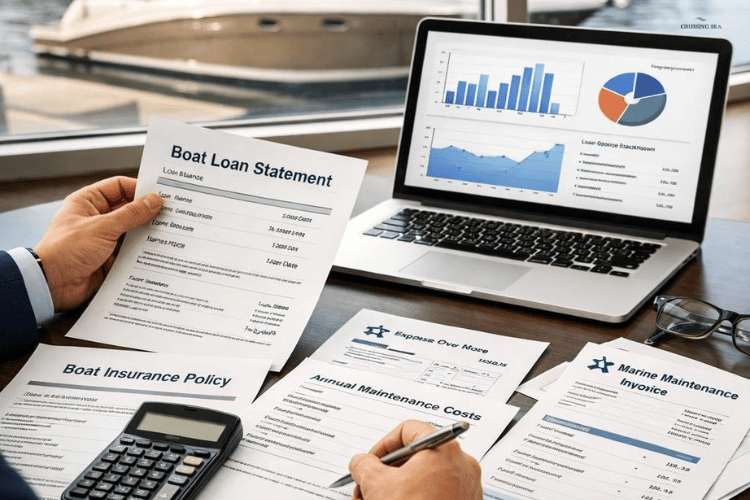
When you buy a boat, the price tag you see is just the start. You’ll face regular expenses like insurance, fuel, storage, and maintenance that add up quickly throughout the year.
Cost of Purchasing a Boat
The cost of purchasing a boat varies widely based on size, type, and condition. A small used fishing boat might run you $5,000 to $15,000, while a new pontoon or bowrider can easily cost $30,000 to $80,000. Luxury boats and larger vessels push well into six figures.
You’ll also need to factor in the initial registration and title fees, which average around $350 in most states. If you plan to trailer your boat, add another $1,000 to $5,000 for a quality trailer. Many buyers finance their purchase through loans, which means you’ll pay interest on top of the base price.
Don’t forget about sales tax either. Depending on your state, this can add thousands to your final bill when buying a boat.
Budgeting for Maintenance and Upgrades
Plan to spend about $3,000 per year on maintenance and repairs. This covers routine tasks like oil changes, engine servicing, and hull cleaning. Your boat needs regular care to stay in good shape and hold its value.
Unexpected costs pop up, too. You might need emergency towing services or trailer repairs. Deep cleaning prevents mold and corrosion, but it’s an expense many new owners overlook.
The actual amount you spend depends on your boat’s age, size, and how often you use it. Older boats typically need more frequent repairs. High-performance boats often require specialized parts that cost more than standard equipment.
Ongoing Expenses: Fuel, Insurance, and Dock Fees
Boat insurance costs between $300 and $500 annually for basic coverage. Larger or high-performance boats need more expensive policies. Comprehensive plans that cover liability, collision, and theft offer better protection but come with higher premiums.
Dock fees represent one of your biggest ongoing costs. A marina slip membership ranges from $2,500 to $6,500 per year, depending on location and boat size. Dry storage costs less, but you’ll pay launch fees each time you use your boat.
Fuel expenses vary based on your boat’s efficiency and how far you travel. Longer trips mean more fuel, and some boats burn through it faster than others. Marine fuel often costs more than regular gas, especially premium options that protect your engine better.
After your first year, expect to pay around $11,000 total when you include loan payments, maintenance, storage, insurance, and fuel. Annual registration renewals add another $50 each year.
Challenges And Responsibilities Of Boat Ownership
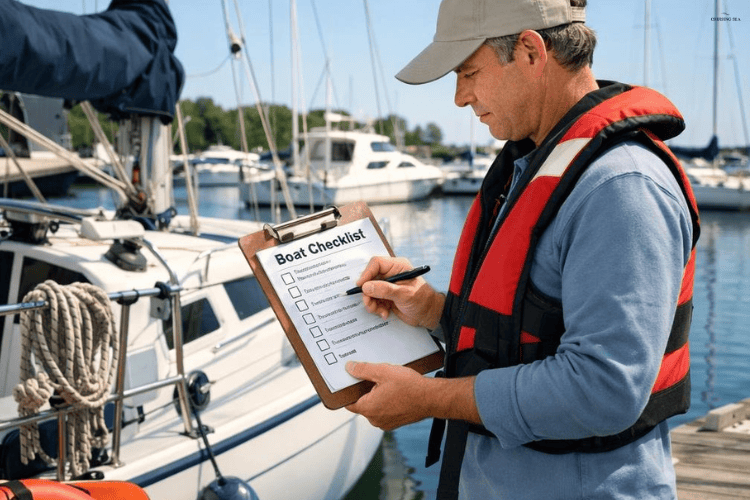
Owning a boat means taking on regular tasks that require your time and money throughout the year. You’ll need to plan for maintenance work, find proper storage, and prepare your boat for different seasons.
Time Commitment and Seasonal Use
Boat ownership requires more time than you might expect. You’ll spend hours cleaning the hull, checking systems, and making sure everything works before each trip.
Most boat owners only use their boats for a few months each year. If you live in an area with cold winters, your boating season might last just 4-5 months. This means you’re paying for something you can’t use half the year.
Common time commitments include:
- Pre-trip inspections and checks (30-60 minutes)
- Post-trip cleaning and washing (1-2 hours)
- Regular maintenance tasks (2-4 hours monthly)
- Winterizing and spring preparation (4-8 hours each)
The weather also limits when you can use your boat. Rain, high winds, and storms will keep you on land even during peak season.
Boat Maintenance and Upkeep
As mentioned previously, your boat needs constant care to stay in good condition. The engine requires oil changes, the hull needs cleaning, and all systems must be inspected regularly.
Basic maintenance tasks you’ll handle:
- Engine oil and filter changes every 50-100 hours
- Hull cleaning to prevent algae and barnacles
- Battery checks and replacements
- Propeller inspections for damage
- Electrical system testing
Saltwater boats need extra attention because salt corrodes metal parts quickly. You’ll need to flush the engine after every use and check for rust spots.
Ignoring boat maintenance leads to bigger problems and costly repairs. A small leak can turn into major hull damage if you don’t fix it right away.
Winterization and Storage Needs
Preparing your boat for winter takes several hours and often costs $500-$1,500 if you hire professionals. You’ll need to drain all water from the engine, add antifreeze, and protect surfaces from freezing temperatures.
Winterization steps include:
- Draining the engine and fuel system
- Adding antifreeze to prevent frozen pipes
- Removing batteries for indoor storage
- Covering the boat with a protective tarp
- Stabilizing fuel to prevent degradation
Boat storage adds another expense to ownership. Marina storage costs $50-$200 per month, while indoor storage can run $100-$400 monthly. If you keep your boat at home, you’ll need space in your driveway or yard and possibly a special permit from your city.
Winter storage protects your boat from ice, snow, and freezing temperatures that can crack the engine block or damage the hull.
Types Of Boats And How To Choose The Right One
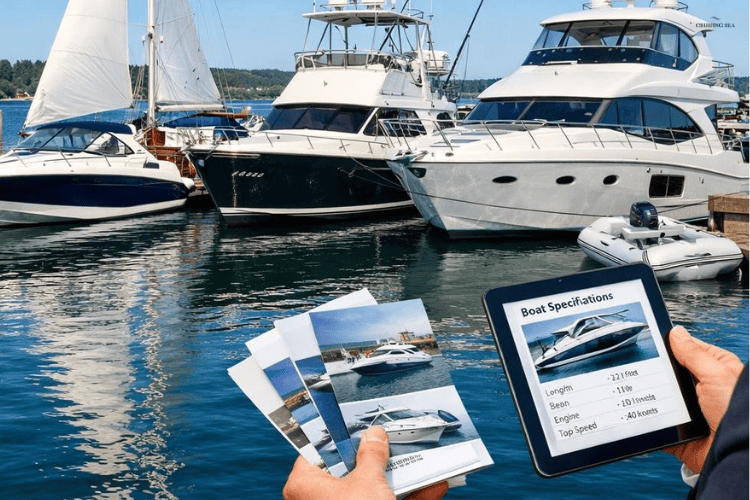
Finding the right boat depends on how you plan to use it and whether you want to buy new or used. Your lifestyle needs and budget will guide you toward the best choice.
Matching Your Boat to Your Lifestyle
Before buying a boat, think about what you’ll actually do on the water. Fishing boats come with rod holders, fish finders, and storage for your catch. They’re built for anglers who spend weekends targeting bass or offshore species.
Pontoon boats offer lots of space for family gatherings and casual lake days. They’re stable and comfortable but not designed for speed or rough water.
Motorboats give you versatility and power. Bowriders work great for day trips with friends, while cabin cruisers let you sleep onboard during longer adventures. If you love water sports like wakeboarding or tubing, look for specialty boats with tow towers and ballast systems.
Sailboats appeal to people who enjoy a quieter experience powered by wind. They cost less to operate than motorboats since you’re not constantly buying fuel. However, they require more skill to operate and aren’t ideal if you want quick trips.
Consider where you’ll boat to. Small lakes need different boats than ocean coastlines. Match your boat type to your actual plans, not what sounds exciting in theory.
New vs. Used Boats: What To Consider
Buying a new boat means you get the latest features, full warranties, and no hidden damage from previous owners. You can customize options and know exactly what you’re getting. The downside is higher upfront costs and faster depreciation in the first few years.
Used boats cost significantly less and let you get more boat for your money. You can find well-maintained models that give you years of service. The risks include potential mechanical issues, outdated technology, and no warranty protection.
When buying used, always get a professional inspection. Check the engine hours, hull condition, and maintenance records. Ask why the owner is selling and test the boat on the water before committing.
Your budget matters most when choosing between new and used. Factor in not just the purchase price but also insurance, maintenance, and storage costs for owning a boat long-term.
Other Important Factors To Think About
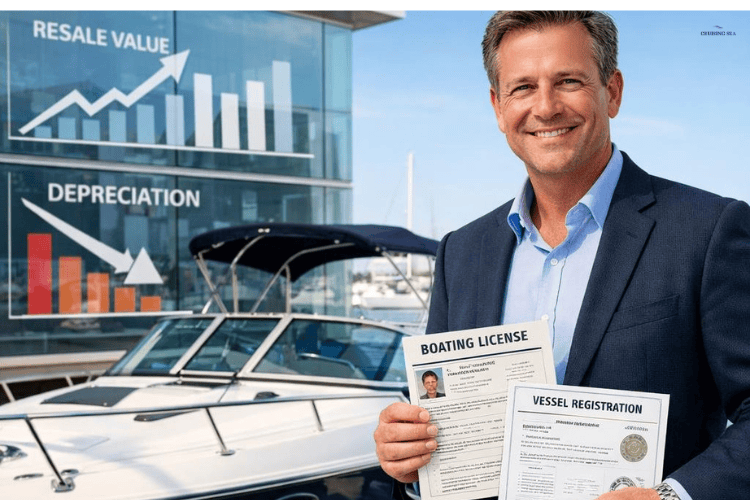
Beyond the obvious costs and benefits, you need to think about legal requirements, how your boat holds its value, and when you can actually use it.
Boating License and Legal Requirements
You might need a boating license depending on where you live and what type of boat you buy. Many states require boaters to complete a safety course and get certified before operating certain vessels. The rules vary widely by location, so check your local regulations before you make a purchase.
Registration is mandatory in most places. You’ll need to register your boat with your state, which comes with annual fees that typically range from $25 to $200. Some areas also require specific safety equipment on board, like life jackets for every passenger, fire extinguishers, and navigation lights.
Age restrictions are common, too. Some states won’t let anyone under 16 operate a boat alone, even with a license. You might also need different permits for fishing or accessing certain waterways. Ignoring these legal requirements can lead to fines, having your boat impounded, or even criminal charges in serious cases.
Resale Value and Depreciation
Boats lose value quickly after you buy them. A new boat can drop 20% to 30% in value during the first year alone. This is similar to driving a new car off the lot, but often worse.
The depreciation slows down after the first few years, but it continues. Most boats lose about 10% of their value each year for the next several years. By year five, your boat might be worth only half of what you paid for it.
Some factors affect resale value more than others. Well-maintained boats from popular brands hold their value better. The boat’s size, age, engine hours, and overall condition all matter when you try to sell. Boats stored indoors typically sell for more than ones kept outside year-round.
Final Words
Owning a boat is a labor of love. It requires a significant amount of time, a healthy bank account, and a willingness to learn the ropes of maritime maintenance. In exchange, it offers a level of freedom and relaxation that is hard to find anywhere else. Whether you choose a brand-new powerboat or a reliable used fisher, the key to a happy ownership experience is going in with your eyes wide open. Weigh the costs, respect the water, and if the pros outweigh the cons, prepare to cast off into your next great adventure.
Frequently Asked Questions
Buying a boat brings up a lot of questions about costs, upkeep, and whether it’s really worth the money. Here’s what you need to know about the practical side of boat ownership.
What should I know before buying a boat?
You need to think about more than just the price tag on the boat itself. The size and type of boat should match what you actually plan to do on the water.
Consider where you’ll keep the boat when you’re not using it. Marina fees and storage costs vary a lot depending on your location and the size of your boat.
You’ll also need to budget for safety equipment, which is required by law in most places. This includes life jackets, fire extinguishers, and flares.
Think about how often you’ll realistically use the boat. Many first-time owners overestimate how much time they’ll spend on the water.
Can owning a boat be seen as a good investment, or is it generally more of a luxury expense?
Boats are almost always a luxury expense rather than a financial investment. They lose value over time, similar to cars.
Some people rent out their boats to generate income, which can offset ownership costs. However, this adds wear and tear to your boat and requires extra insurance.
There are tax advantages in some areas where certain ownership costs may be tax-deductible. You’ll need to check your local laws to see what applies to you.
The real value of a boat comes from the experiences and memories you create, not financial returns. If you’re looking for a traditional investment, a boat probably isn’t the right choice.
What are the most common problems boat owners face?
The biggest challenge is the ongoing cost, which catches many new owners off guard. Maintenance, fuel, insurance, and storage fees add up quickly.
Finding adequate storage or dock space can be difficult in popular boating areas. High-demand marinas often have waiting lists for slips.
Mechanical issues happen, especially with older boats. Engine problems, electrical failures, and hull damage require immediate attention and can be expensive.
Time commitment is another issue. Boats need regular care and can’t just sit unused for months without consequences.
How often will I need to perform maintenance on my boat?
Basic maintenance should be done before and after every use. This includes checking fluid levels, inspecting safety equipment, and cleaning the boat.
You’ll need more thorough maintenance at least once per season. This includes oil changes, battery checks, and hull inspections.
Winterizing is required annually if you live in areas with freezing temperatures. This protects your boat’s engine and systems from cold-weather damage.
Professional inspections are recommended at least once a year. These catch problems early before they become major repairs.

Daniella has been passionate about travel, the sea, and nature for many years. As a child, she frequently traveled throughout the Mediterranean and continued with her journeys throughout her adult life.
Her experiences have created the desire within her to share her love for traveling with other passionate and adventurers who want to discover beautiful horizons and new cultures.