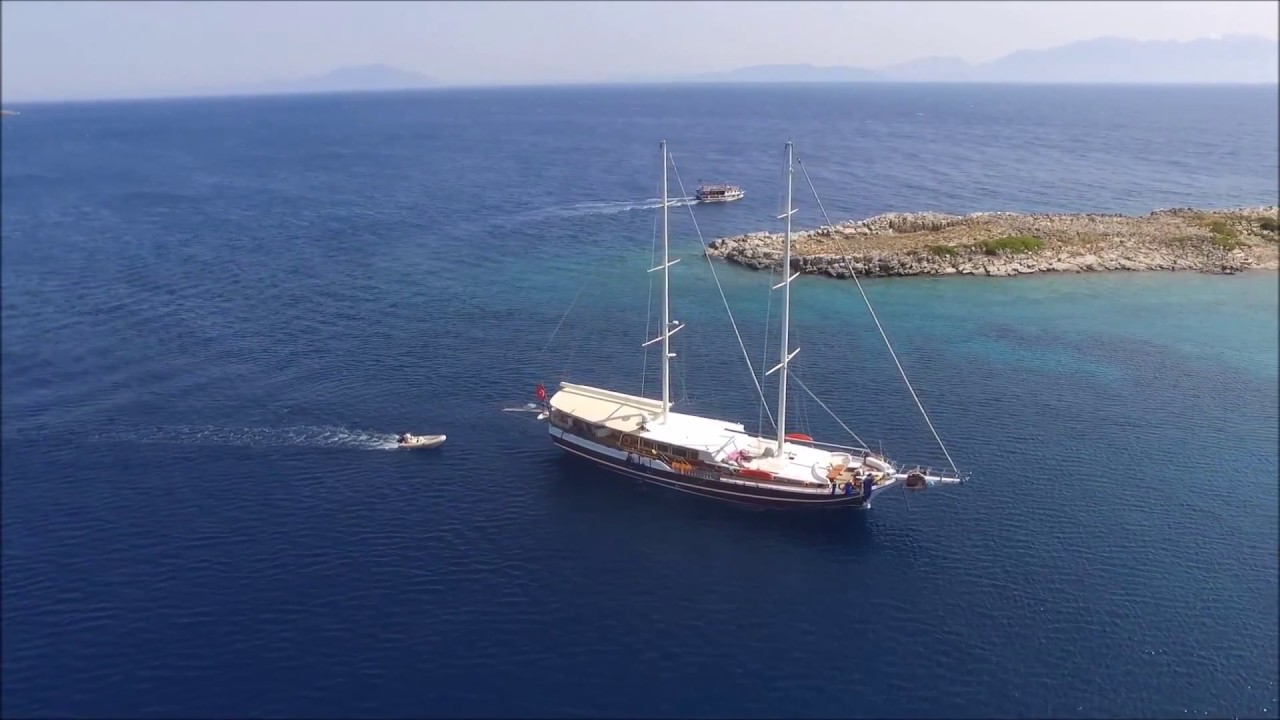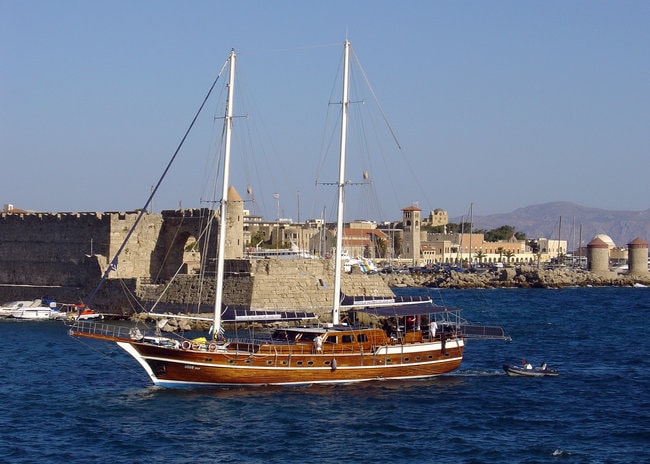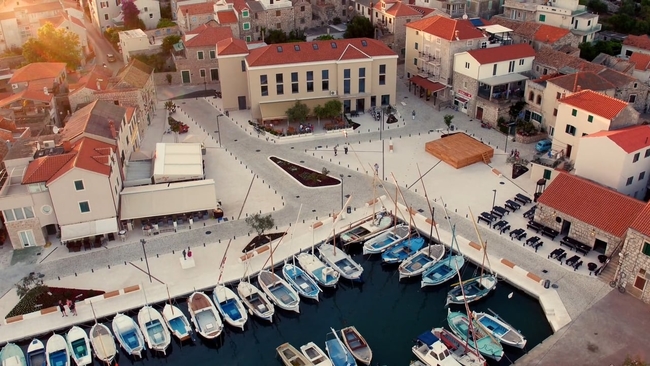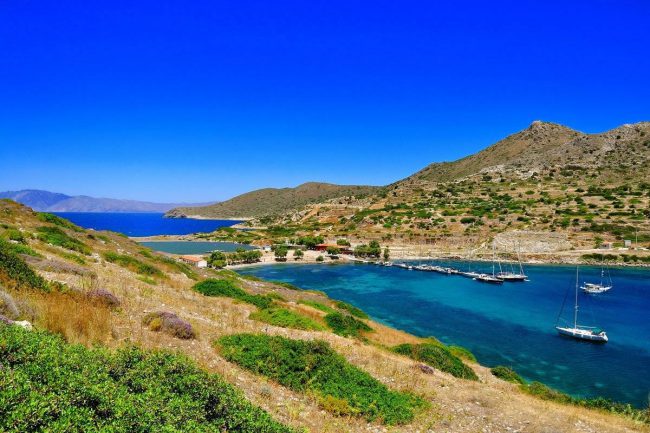
What is a Flotilla Sailing Holiday – Beginners’ Guide!

Flotilla sailing holidays

Imagine yourself in the middle of the sea on a yacht enjoying the soothing sea breeze, the sight of the clear blue skies, and the sound of the waves lapping against your yacht.

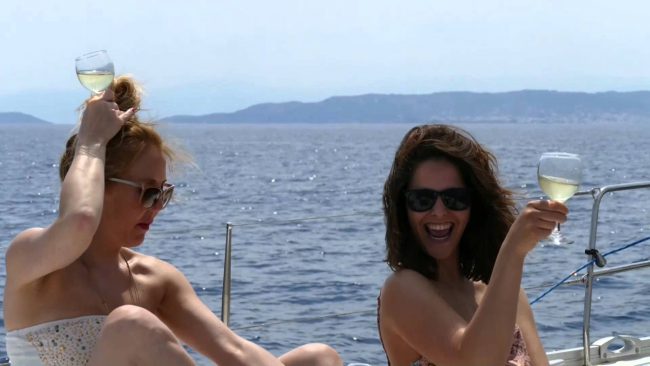
Now, what if you could picture enjoying the same on a yacht that’s flanked by several other yachts with people on a similar mission? That’s a brief description of a flotilla sailing holiday. It gives you a chance to embark on a journey of exploration, adventure, and endless discoveries the sea has to offer.

Still, wondering what is a flotilla sailing holiday?

Well, here is a quick look at the things you may need to know about flotilla sailing:

How Does A Flotilla Work?

A flotilla, in its basic terms, is a group of yachts that sail the sea together and are overseen by an experienced skipper on a lead yacht.

It usually involves a group of like-minded sailors who get together to enjoy a fun-filled sailing adventure with multiple boats. These boats are mostly chartered, and they offer all there is to desire in a modern yacht.

The lead crew in a flotilla is usually furnished with a crew that’s responsible for plotting routes, creating itineraries, and offering updates on weather and must-see spots along the way.

They also assist with provisioning and ensure there’s enough quay space and moorings for all the yachts to dock at the new destination. Everything is literally taken care of in a flotilla, so all sailors have to do is explore.
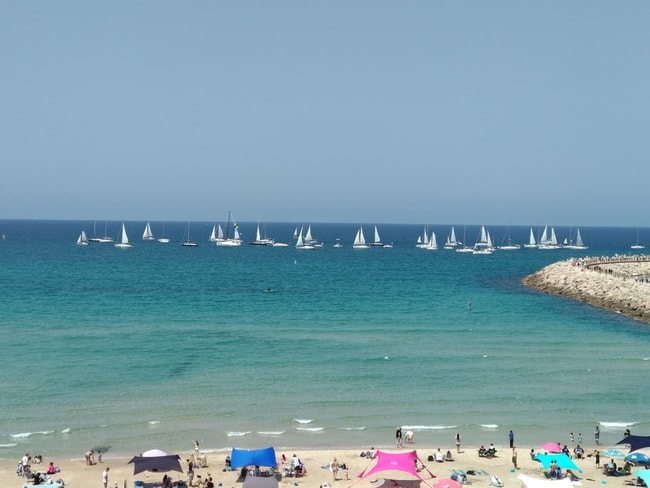
Flotilla sailing holiday

Do You Need a Skipper Certification For a Flotilla?

All countries expect a skipper participating in a flotilla to be qualified and/or experienced. The experience can either be from your previous flotilla holiday or several yacht skipper roles. Only a few European countries have not adopted Resolution 40, and thus do not require an ICC license.

Currently, counties such as Croatia, Italy, France, South Africa, the UK, and Mallorca require skippers to have the International Certificate of Competence (ICC) and/or Day Skipper Practical. So when planning to sail to these destinations, you need to get your skipper certifications ready.


Most Popular Flotilla Destinations

Flotilla sailing is a popular activity in the Mediterranean and Caribbean regions. Some of the best destinations in the Mediterranean include Greece, Turkey, Italy, France, Spain, and Croatia. If you would want to enjoy a Flotilla experience in the Caribbean, then Barbados, Bahamas, Puerto Rico, and the Dominican coast can be great places to try.


Flotilla Daily Schedule

1. Arrival to the Base

The first step in the flotilla schedule is the registration of participants in the office(s) of the base. The participants then head to the yacht, where they are taken through check-in procedures by the flotilla company team. Getting to know the crew and the week’s schedule is also part of the process and there is time created for Q&A where participants can get clarification on any issue as well.

2. Morning Briefing

The lead skipper gathers all the skippers who are going to participate in the flotilla in the meeting, where he will determine the working channel and explain the communication via VHF. Instructions regarding safety aboard the yacht are also given at this point. At all other meetings that follow up, the lead skipper will:

  1. Read out and interpret the weather forecast
  2. Give instructions, remarks, and advice regarding the route(s)
  3. Suggest safe anchorages for a break
  4. Determine the destination for the evening
  5. Explain how much time it will take to reach the destination
  6. Give a chance to a Q&A session
3. Yacht Provisions

This involves purchasing food, drinks, and other supplies necessary for the flotilla sailing holiday.

4. Departure

The lead crew helps the participants get ready and starts the journey into the sea

5. Watersports and Lunch Break

The lead skipper suggests safe anchorage points on the way that are ideal for swimming, snorkeling, and lunch breaks. At this point, the skipper also assists in anchoring the vessels if the entire flotilla is taking a break at the same spot.

6. Reaching the Destination

Upon arriving at the destination, the crew that awaits the participants of the fleet at the set destination assists in the safe mooring and anchoring of the vessels. The host/hostess then collects all the necessary boat documents and ensures there’s necessary administration.

Other activities that may follow include:

  • Enjoying a welcome drink and socializing
  • Going to dinner
  • Sightseeing of local attractions
  • Free time
7. Optional Activities

Some of the fun activities that participants can engage in after reaching the destination include:

  • Organized sightseeing of local attractions with the help of a professional guide
  • Organized wine-tasting tour
  • Organized dinner

Note: The crew may give tips about places, events, and interesting facts to check out at the destination

8. Final Regatta

After sailing the sea for the whole week and having gotten used to their vessels, it is necessary to organize a competition to test the participants’ skill levels.

All participants are welcome to join the competition. However, the rules of the competition, including the start and finish points, will largely be determined by the skills of the teams and the prevailing weather conditions.

And just like any racing competition, the winner is the one that hits the finish line first.

9. Final Evening

The closing of the sailing experience calls for a celebration. And what better way can there be to celebrate than organizing a party, complete with wine, food specialties, and buffet tables? Once the party and dining are over, the participants will be free to hang out together, share memories, and, if need be, exchange contacts.

10. Check-out

Checking out is done with the team from the base, after which you’ll go through final administration. From there, you’ll leave the yacht at a designated time based on the charter contract that you signed.


Flotilla Vs. Solo: Which Is Better?

Both Flotilla and solo sailing come with a set of benefits and challenges along the way. A flotilla guarantees utmost safety at sea as there will be someone around to lend a hand in case you get into trouble. Even beginners will have someone to correct their mistakes should they fail or do the unexpected.

Solo

A solo adventure can be great for a seasoned seafarer who can rely on his or her skills to enjoy a safe voyage. Sailing solo also provides an opportunity to wander away into the sea, whip the waters with courage, and have the sea all to yourself and/or your partner.

You don’t need to follow any lead yacht, stop at a point you don’t want to, or head to a destination you don’t fancy. You have all the freedom in the world and can decide where to go and when to do it.
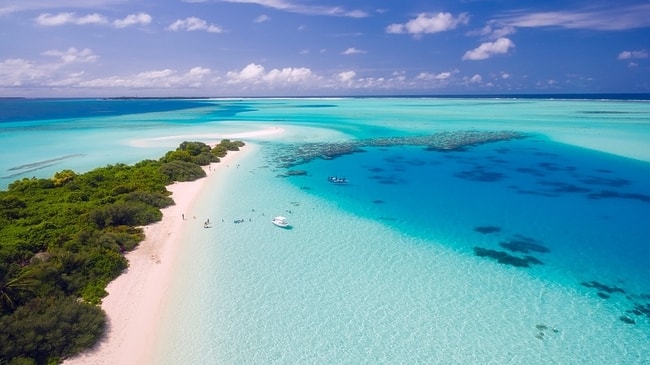
Sailing solo
 
Flotilla

Flotilla sailing brings together many people, something that takes socialization at sea to a whole new level.

It offers sailors a unique chance to get together, throw a party and even enjoy meals together. After all, a sailing holiday should be fun, and the only way to spark the excitement is by joining in the flotilla.

At the end of the day, the type of sailing you choose isn’t always that important. All that matters is that you enjoy a fun-filled, adventurous, and/or chilled-out holiday experience just as you had planned.
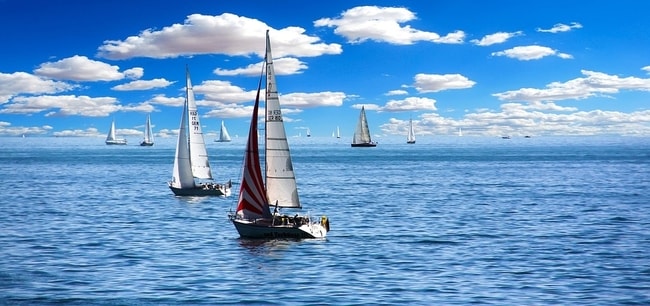
Enjoy flotilla sailing holiday

Reasons Why You Should Participate in Flotilla

1. Social Activity

Since a flotilla consists of a fleet of yachts, typically up to 14 vessels, there are plenty of people with who you can interact while at sea. You’ll literally have someone to talk to, share stories as well as drink and dine with along the way.

Many people have met at flotillas, shared moments, and formed relationships that have turned into lifetime commitments. There are also friendly people in the villages and towns you stop by that can be great to interact with while on your tour.

2. Worry Free

With an experienced skipper and dedicated crew on the Flotilla, you can be assured of complete safety at sea, even when the winds are strong, and the storms seem heavy.

There is safety in numbers. And so anytime you experience a problem or are distressed in some way, you can always ask for a helping hand from other sailors.

3. It Helps You Choose Your Route

Before you embark on the voyage, you’ll be briefed on the destinations you’ll go to and given suggestions on the spots to visit along the way. That means you will follow a route that will offer the most in terms of natural sceneries, water sports activities, and great stopovers.

4. You Can Sail At Your Own Pace

The fact that the lead yacht sets the pace for other yachts in a flotilla doesn’t mean you have to follow it too rigidly. You can actually sail at your own pace as long as you monitor the route the leader is taking. Flotillas are never that fast anyway, so the adventure at sea can be as slow and comfortable as you would wish it to be.

5. There is a Fleet Leader with Other Assistants to Help

The fleet leader’s responsibility is to ensure the group of yachts is sailing in the right direction and that the planned itinerary is followed to the letter.

The assistants or crew, on the other hand, ensure each yacht has all the necessary supplies for sailing and also provide technical support such as yacht maintenance and sailing gear repair. That means a safe and comfortable sailing experience is guaranteed at sea.


Who Is a Flotilla Holiday For?

Anyone can sign up for a flotilla voyage provided they have skippering qualifications and/or experience. However, there are flotilla options designed to suit the needs of different levels of sailing ability and experience.

The options may range from shorter passages and protected waters for beginners all through to exciting open-water crossings for experienced sailors.

A flotilla can be ideal for you if you prefer to have complete control of your own daily itinerary while enjoying some sort of support and structure.

Whether you want to go out on a flotilla with friends, family or a couple, a great sailing experience is guaranteed as long as the itinerary is well-planned and executed.

In conclusion

Are you fascinated about joining the flotilla holiday this season? Then there are plenty of companies in the Mediterranean and Caribbean region that can make your dream come true. A flotilla simply takes you out of the conventional yacht sailing tour and allows you to sail alongside other yachts for an exciting, social and memorable cruising experience. The adventure just never stops with this kind of sailing!


Want More Tips?

Sign up for Cruising Sea newsletter to receive every two weeks the latest post straight to your inbox!

Have you already participated in a Flotilla? If so, you are welcome to share your experience in the comments below.

What Is A Gulet Boat? – A Roomy Floating Hotel!

Do you ever want to enjoy a one-of-a-kind sailing experience that’s different from the gateway that you are used to?

Then taking a sailing trip on a gulet yacht might just be what you need to make your upcoming summer holiday special.

Sailing on a traditional yacht that reminds you of an ancient Ottoman warship is as exciting as it’s memorable. And this experience can only be guaranteed if you choose to take your cruising tour to the beautiful Aegean and Mediterranean coasts.

But before you get started on your adventure, you might need to know what is a gulet boat, how it works, what to expect in terms of amenities, and the onboard activities you can engage in.

What’s A Gulet Yacht Charter?

A Gulet charter is basically a private holiday on a crewed Gulet boat, either solo or with friends. With a chartered gulet, you can choose to sail through the Aegean embayment or explore the larger Mediterranean Sea.

Traditional gulets draw inspiration from ancient Ottoman boats and feature high masts, esthetical designs,s, and handmade decorations. Gulets from the Aegean region are particularly made of pine, teak, chestnut, and mahogany trees, giving them the ultimate ancient look.

Aside from the aesthetic appeal that comes with them, they still offer all the comforts of modern life that anyone would desire for a sailing boat.

Going on a gulet charter simply guarantees you complete freedom and luxury. You can literally go wherever you want to go, engage in whatever holiday activity you wish, either onboard or in the waters, and eat and drink your holiday away with friends in whichever manner you desire.

So long as you have an experienced and dedicated crew onboard, the adventure at sea on a gulet can just be awesome, to say the least.

gullet boat

Most Popular Gulet Destinations

Mediterranean Europe and the South Asian region are by far the most popular gulet destinations in the world. That’s mainly because of the massive gulet-making companies and chartering agencies available in these regions.

Some of the gulet destinations that can be great to visit include:

Croatia

With about 60 gulets in total, Croatia is among the countries that offer an amazing sailing experience on the Mediterranean coast. The country also has more than 1,200 beautiful islands and a number of great towns and places that can be great to visit. If you were to cruise on a weekly basis, it would take you at least 10 years to explore all these places in Croatia.

Sailing in September in Croatia
Turkey

Turkey is the most popular among all the gullet destinations in Europe. With more than 500 vessels in the country alone, the gulet cruising experience here never gets better.

With so many gulet options and charter companies in Turkey, you can only expect to get the highest quality of cruising services at reasonably lower prices compared to Croatia and Greece.

Some of the best places to visit in Turkey on a gulet include Gocek, Bodrum, Marmaris, and Fethiye.

Boats on the water in Antalya
Greece

Greece has won the hearts of many holidaymakers because of its ever-charming islands like Mykonos, Santorini, Corfu, and more. And there is even more that spices up the holiday experience in this part of Europe: getting aboard a Turkish gulet and exploring the Greek Islands near Turkey.

When planning a cruising tour in Greece, you should consider the islands of Rhodes, Symi, Leros, Kos, and Patmos.

Greek gulet charters and cruises can be a little more expensive than the average gulet price. But if you are willing to spend any amount for the unique gulet experience, it is still worthwhile.

View on a coat in Greece
Italy

Italy never disappoints either when it comes to the gulet cruising experience. With a fleet of about 10 to 15 gullets, you can never miss a chance to explore the beautiful Italian coast on an Ottoman-like boat. Sicily and Sardegna areas are some of the true wonder areas in Italy to visit for the ultimate gulet cruising experience.

Maldives

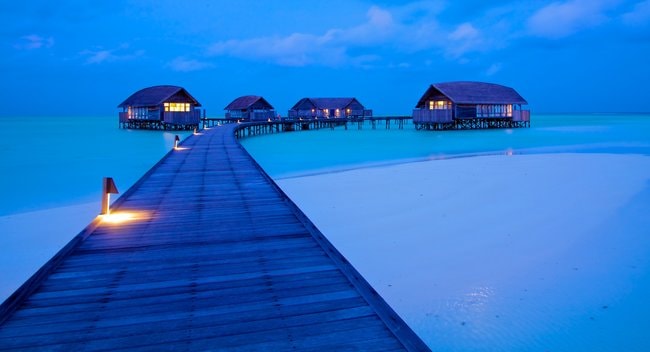
The Maldives is a popular holiday destination because of its breathtaking scenery and pristine waters that offer divers numerous opportunities to explore the underwater world.

Maladive

But taking a gulet cruise is also one of the most fun and relaxing holiday activities to engage in in this part of South Asia. While the number of gulets in the Maldives is limited, tourists can still enjoy cheaper gulet charters and cruises.

Are All Gulets Similar?

Modern gulets are not just designed to give passengers a nostalgic feel of the ancient ships. Rather they’re built to meet different modern life needs. That’s why they come in a variety of shapes, standards, and passenger capacities.

A typical modern gulet has all the comforts you would enjoy in a house. The only difference is that you keep moving and viewing different natural sceneries, which is no doubt amazing.

Here are some of the main types of gulet boats:

Classic-Standard Yachts

One of the things that distinguish Classic-Standard yachts from others is that they have double and/or single beds in their cabins. The cabins may also include a wardrobe, hot and cold water, shower, and toilette.

A classic yacht, also named small ship cruise, has a total of 3 crews and features a well-equipped kitchen that can take care of 3 meals a day. Additionally, there are two dining areas both on the inside and outside of the yacht.

Other amenities available on board include a comfortable sitting area on the deck, freezer, music, fishing equipment, snorkeling equipment, and motor-operated dinghy, among other things.

Luxury Yacht

A luxury yacht has all the comfortable amenities that you would expect on a modern boat. Most cabins come with double beds, and there are some that may have single beds. Luxury gullets are newer compared to classic-standard gullets.

In addition to all the amenities found in a classic yacht, a luxury gullet comes with a master cabin, shower cabins, air conditioner, generator, and TV in the saloon and canoe.

Deluxe Yacht

Deluxe yachts are designed to provide passengers with a luxurious sailing experience in a wider and more modern space. A deluxe yacht may feature 1 or 2 master cabins.

In addition to all the amenities of classic and luxury gullets, deluxe yachts come with newer and full sailing equipment, better navigation systems, large bed sizes, extra entertainment equipment, and more.

Super Luxury Yachts

These are the most luxurious of all the yachts. They come with all amenities that can be desired in a luxury yacht, including a master cabin, Jacuzzi, TV in every room, more crew members and more. Its amenities and comfort can only be compared to a six-star hotel.


Why Gulets Are So Popular

Gulet cruises offer one of the most exciting, if not the best relaxing holiday experiences. Sailing on a gulet yacht-whether classic, luxury, or deluxe- allows you to relax and soak yourself in the beautiful coastal scenery even as you enjoy your favorite tipple or drink. After all, that’s what a holiday sailing experience is all about.

Another thing that makes chartered gulets popular is the fact that one can organize a trip based on his or her own wishes. For instance, you don’t have to wake up at 7 a.m. to catch up with a scheduled trip.

You can simply choose to sail at your own comfortable time and take the trip to whichever island or bay you fancy. Even when your friends want to go snorkeling or visit a nearby town, you can choose to remain on the gulet and bask in the sun or just chill as you read a book.

There are also lots of foods on board a yacht that you can enjoy amid the fresh air and the breathtaking scenery around. And if you would like to escape the crowds, you can simply search for a spot in one of the secluded beaches around and have the world for yourself.

Taking a cruise tour on a chartered gulet is simply all about doing what you love during the holiday, when you want it, and without any limits.


How many Crew Are On A Gulet?

A cruising tour can never be successful without a competent crew aboard the yacht. They are the ones who literally make the yacht move, ensure your stomach is full, and keep you entertained throughout your cruising tour. A 2 to 3 cabins gullet usually has a minimum of 2 crew members and can even go up to 5 members for a luxury gulet.

Here is the main crew you can expect on a typical gullet yacht:

Captain (Skipper):

The captain, also known as the skipper, is the one in charge of driving the gullet and taking you safely to your planned destination. He/she is the first in the ranks of the crew and advises clients on the best places to visit and how to go about it. The captain usually has the final about the day’s or week’s cruising itinerary.

Chef:

A gulet can’t definitely set out into the sea without the second most important person: the chef. And he/she is responsible for preparing the delicious snacks, artisanal dishes and/or the range of cocktails that will keep your cruising tour interesting.

Waiter:

The waiter’s work is to ensure the food prepared by the chef is properly served. Waiters also help the chef in cleaning the dishes, and if there’s no hostess or sailor on board, they’ll clean the cabin. You can also reach out to the rest of the crew via the waiters.

Sailor:

A sailor is mainly charged with the responsibilities of tying the ship under the captain’s supervision and generally ensuring everything on board is clean and works properly. He’s more like a captain’s assistant.

Hostess:

Hostesses are mainly present in more luxury gullets, and they are responsible for cleaning and preparing the cabins, serving drinks and cleaning the gulet deck as well as the saloon. They can sometimes take care of the kids if you have any onboard.


What Sports Can You Do On A Gulet?

There are a plethora of fun activities to engage in while on a gulet sailing tour including the following:

Watersports

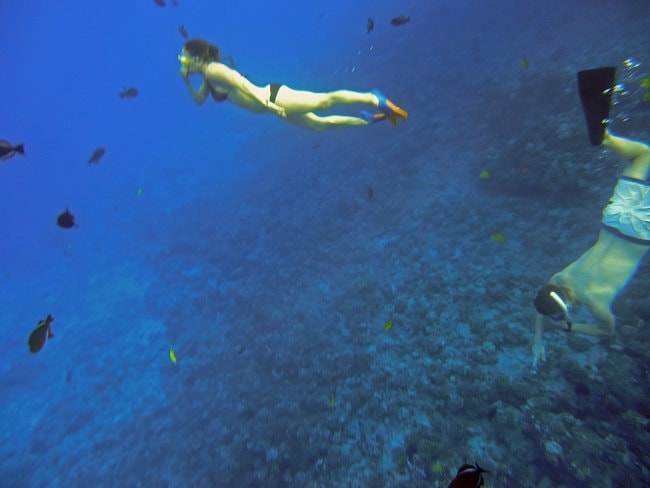
If you are a water person, then a sailing tour can never be complete without swimming, snorkeling, or diving. Going underwater gives you a chance to soak in the cold water during summer and/or witness firsthand the spectacular marine fish, sea creatures, and corals in the area.

Rest

A holiday is all about unwinding, and while on the Gulet sailing tour; you can simply choose to lounge on the deck as you bask, read a book, or enjoy conversation with friends. Gulets usually have spacious cabins and exterior decks for resting.

Visiting Islands

Hopping from one island to the next is undoubtedly one of the most adventurous activities to engage in during the weekend or on holiday. You’ll get to enjoy the beautiful scenery, visit different towns and interact with different people as you go along.

Party

A birthday party, engagement party, or a casual feel-good party can never go wrong on the gulet. So long as you have a few drinks, cocktails, and or snacks onboard, you can always toast to the good life as you soak into the scenery and fresh ambiance of the island and sea.

How Gulet Yachts Are Equipped

Modern gulets are equipped with all amenities that can make the passengers onboard enjoy a convenient, fun, and relaxing experience on board.

Some of the amenities that come with a luxury gulet include:

Saloon:

A typical saloon on a gulet is fitted with a bar, and dining facilities and also has a TV with DVD for entertaining the guests. In addition, there’s an air conditioner in the saloon to provide cool refreshing air during a hot summer cruise tour.

Deck:

The deck is by far the most spacious part of the gulet and features a well-cushioned seating area and covered dining area. The larger part of the foredeck is meant for sunbathing, and the aft is for relaxing and/or eating al fresco.

Cabin:

A gulet’s cabin is specifically reserved for sleeping, and it’s fully furnished with a bed or two, a toilet, and a shower. Luxurious cabins may also have a Jacuzzi, plasma TV, and huge space.


Why Gulets Provide the Best Sailing Holidays

Modern gulets have truly redefined the yacht sailing experience. With all the comfortable amenities you can ever desire on board, you can travel to any part of the Mediterranean coast without any effort whatsoever. You actually have all you need on board to get going even for weeks without setting foot on land.

Aside from that, a gulet sailing tour or expedition can allow you to:

  • Enjoy delicious food both on board and the towns you stop by
  • Meet and socialize with local people as you cruise along the coastal islands
  • Escape the crowds on a private charter and enjoy some ample time solo
  • Soak in the ever-stunning Mediterranean coast scenery

In Conclusion

Going on a gulet sailing tour can simply be rewarding and memorable at the same time. And since you now know everything about gulet boats and how they work, you can go ahead and charter a vessel this coming holiday for a chance to explore the Mediterranean or Maldives coasts to your satisfaction.

You can venture into the seas solo or can take along one or two of your friends and/or family members for an even more exciting sailing tour or expedition. Modern gulet sailing just guarantees more fun and relaxation than any yacht could ever provide.

Have you been on a gulet cruise? If so, you are welcome to share your experience in the comments below.

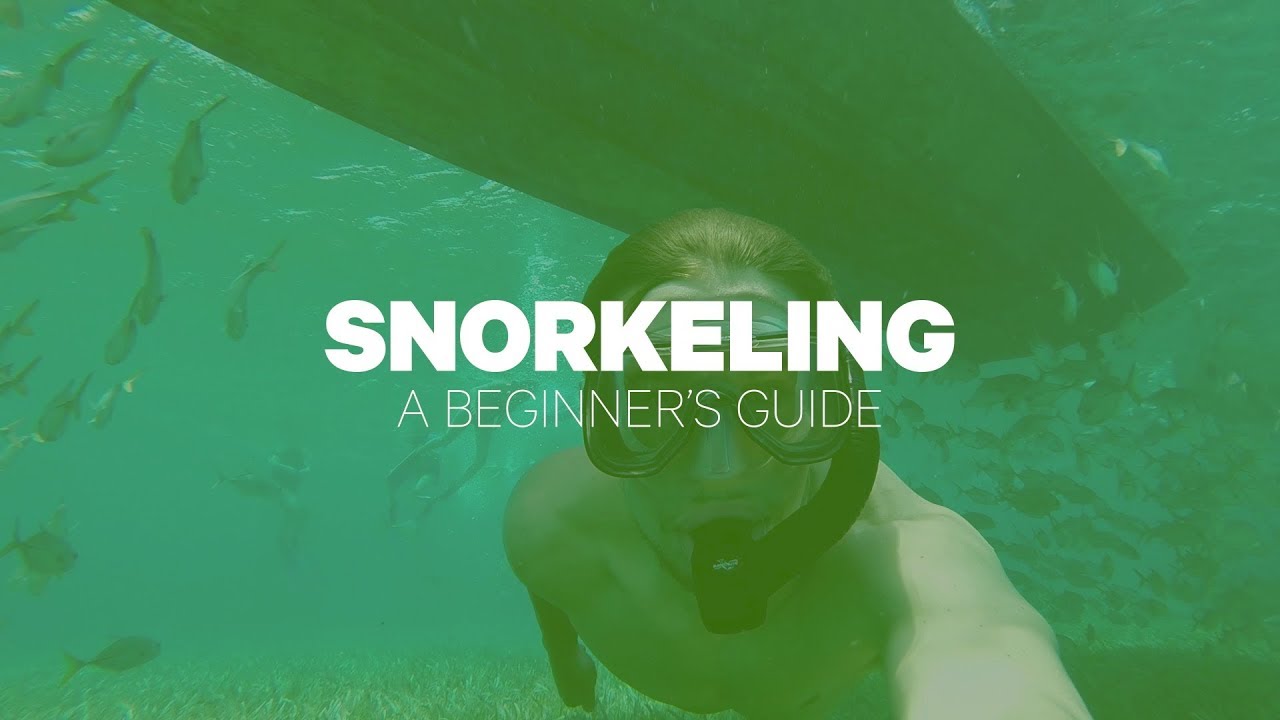
How to Snorkel For Beginners – 7 Tips To Snorkel Like A Pro

Snorkeling is no doubt one of the most exciting and adventurous holiday activities one can engage in. An experienced snorkeler will best describe how wonderful it feels to get underwater and swim alongside the magnificent sea creatures and explore the beautiful corals.

But that’s not so true for a beginner because the adventure can be quite unpredictable.  Hitting the waters for the first time can be thrilling and memorable at the same time, or it may turn out to be a miserable, tedious, and otherwise dangerous experience.

However, with a proper guide on the things you need to make a snorkeling adventure great, you can start out on a good note and move along with confidence even as you seek to advance your skills.

Here are some of our practical tips on how to snorkel for beginners, which we believe will go a long way:

1. Buy or Rent High-Quality Gear

A great snorkeling experience starts with having the right set of gear, whether you choose to buy or rent one. With high-quality snorkeling equipment, you can venture into the waters feeling more comfortable, relaxed, and confident.

Here are some of the things you need to consider when choosing a set of snorkeling equipment:

Snorkel Mask

When it comes to snorkel masks, there’s no one-size-fits-all thing. You have to find one that perfectly fits your face. To test, put the skirt of the mask against your face and then gently breathe in through your nose.

If the mask stick without holding it and the mask skirt seals perfectly against your skin, you are good to go. If air leaks in, be sure water will too. So make sure it’s fitting.

If you have a mustache, which can prove to cause a problem in the seal, consider shaving it, or you may apply food-grade silicone to create a base for the skirt to seal.

Don’t be tempted to buy the cheapest snorkel mask neither should you consider the most expensive. All you need is a mask that fits perfectly and has a high-quality skirt, frame, lens, buckles, and straps.

Fins

When buying or renting snorkel fins, be sure to choose a pair that’s neither too tight nor too loose.

The fins should also fit in snuggly without hurting or curling your toes. Fins are not only great for swimming but also essential for safety in the water.

Even when snorkeling through cooler waters, perfectly fitting fins will give you the much-needed swimming force and energy to get your adventure going.

Dry Snorkel

If you are a first-time snorkeler, then having a dry snorkel before setting out on a snorkeling adventure is a must. A dry snorkel has a special valve that seals out all water when a wave comes over or when you tilt your head to the side while underwater.

It also features a purge valve at the bottom of the snorkel that makes it easier to blow the water out of the tube. Though a dry snorkel may mean parting with extra cash, the piece will really come in handy, particularly for a beginner snorkeler.


2. Practice With Your Equipment

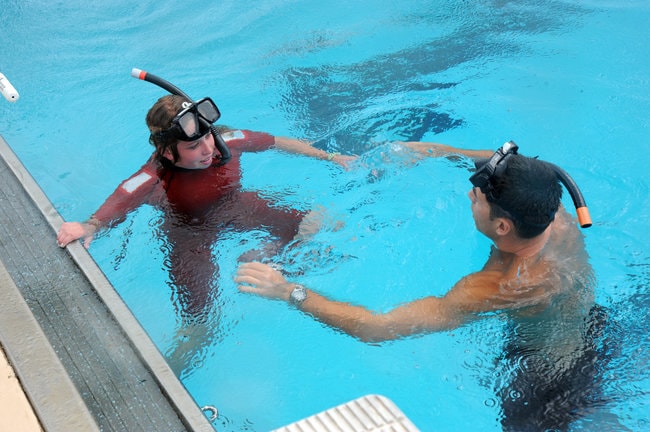
Buying or renting snorkeling gear is one thing, and getting into real snorkeling is another thing altogether. Before venturing into the deep sea, you might need to practice finding the right tightness for the mask strap, positioning your snorkel correctly, and getting the fins on and off.

Doing some underwater breathing exercises is also essential for your training. You can start practicing in a swimming pool or a beach with shallow calm waters.

The main trick here is relaxing. From there, you can go ahead and perform all that pertains to snorkeling, including purging the snorkel and kicking around as you swim with fins.

Training your body to get used to breathing comfortably underwater through a snorkel might take some time. But the more you practice, the more you’ll become comfortable and confident about it.

snorkeling in the pool


3. Get Some Essential Snorkeling Skill

The most important thing to remember as a first-time snorkeler is to swim slowly. And you need to stay calm and relaxed. Starting out at high speed will only consume a great deal of your energy and make you get exhausted fast.

The snorkel can limit your breath; hence you need to keep your swimming and activity level at a speed or pace that doesn’t demand heavy breathing. The snorkel fins will make swimming around the water easier, so make sure you get a comfortably fitting pair.

Learn to float with little or no effort. And only swim rapidly when it’s necessary for safety purposes. If need be, find an experienced snorkeler to take you through snorkeling lessons.

best beginner snorkeling tips


4. Check the Sea Condition

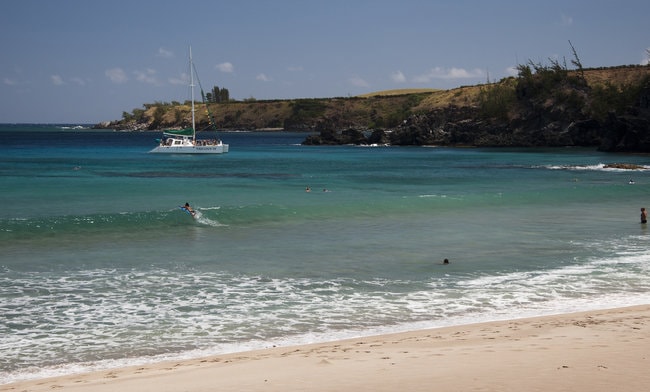
Before you get into the water, it is important to check whether there are any ocean currents, waves, surges,s or winds at sea that might jeopardize your otherwise great snorkeling adventure.

Getting a sense of how the ocean moves and the conditions that come with it will help you plan when and for how long you’ll go snorkeling in the water. You wouldn’t probably want to be caught up in ocean turbulence while snorkeling for the first time at sea.

So if you study the ocean conditions well, you can be assured of your safety at sea and will be guaranteed of a fun-filled snorkeling experience at the end of the day.

Honekeana Bay for snorkeling in Maui


5. Choose A Calm Spot

As a beginner snorkeler, you need to exercise great care when choosing your first snorkeling spot. Most beginners are naturally afraid and nervous when launching into the water for the first time.

So it would be great to start snorkeling from a beach with shallow waters rather than jumping from a boat to snorkel in deep waters that may be unpredictable. Essentially, you need to start small and get some experience and skill as you move into deeper waters.

It will be fun that way as you will have confidence breathing through a snorkel, using the mask, and making underwater maneuvers.

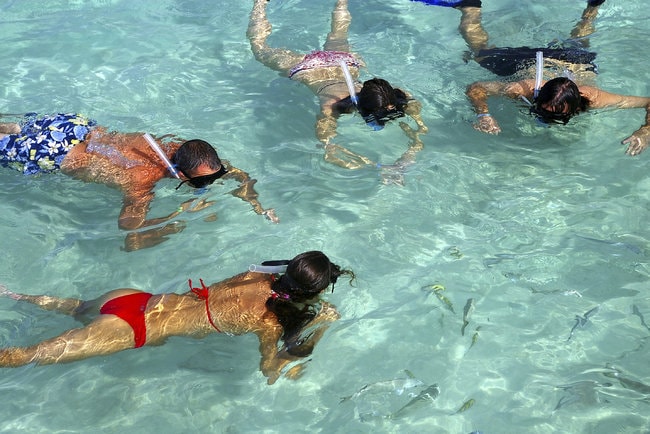
It’s also important to choose a spot that’s alive with lots of marine fish and corals to see. It doesn’t really have to be a popular spot, so do your research prior to setting out on your snorkeling adventure.

And always remember to go snorkeling with a partner or as a group. That is necessary for safety purposes, and it is fun too.

Since it is your first-day snorkeling, you need to choose a calm spot or rather go to the beach when the waters are calm. The best time to go snorkeling, especially for a beginner, is in the morning.


6. Protect Yourself

Protecting your body against the weather and other water condition is one of the things that make a snorkeling adventure fun. You wouldn’t want to deal with sunburns or hypothermia after you’re done with snorkeling.

If you are planning to snorkel in tropical waters, be sure to carry a rash guard or skin suit to protect your body, including the shoulders, back, and legs, from harmful ultraviolet (UV) rays.

Wearing a wetsuit when venturing into cooler waters can go a long way in keeping you warm and full of energy, even as you snorkel. These protective clothing are lightweight, stretchy, and quick to dry. So don’t be afraid to carry one on your adventure.


7. Enjoy

Always keep in mind that you are out to have fun. So be sure to enjoy every bit of your first-time snorkeling experience.

In Conclusion

Starting out as a beginner snorkeler can no doubt be challenging. But if you follow these tips to the letter, learning how to snorkel both in shallow and deep waters can be as exciting as it is adventurous.

Every snorkeling pro must have started somewhere. And if you can start small and be consistent with your practice coupled with some training, exploring the underwater world might just turn out to be one of your favorite hobbies.


Want More Tips?

Sign up for Cruising Sea newsletter to receive every two weeks the latest post straight to your inbox!

How was your first time snorkeling adventure? Feel free to share your experience in the comments below.

How to Pull a Tube Behind a Boat – Your Ultimate Guide!

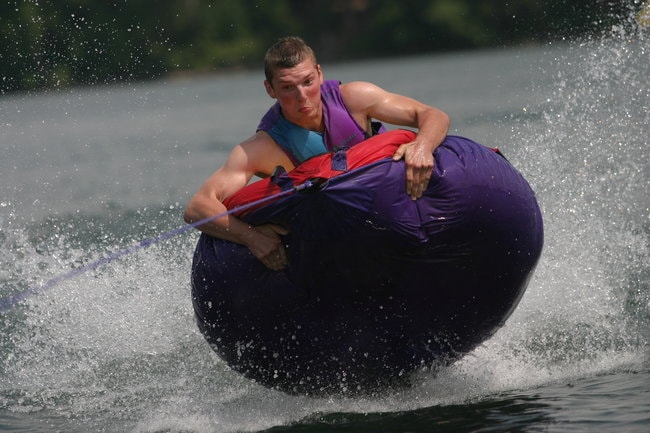
How to pull a tube behind a boat

Going tubing with your friends and family this summer and need some tips for pulling a tube behind your boat? If so, you are in the right place.

Tubing is undoubtedly an exciting watersport if you know how to do it properly.

However, there are specific rules you must follow to have a fun ride on the water while staying safe. So, I have prepared a guide where you’ll find all you need to know about how to pull a tube behind a boat. Read on!


Before You Get On The Water

Before you start tubing, you need to get ready so that you don’t have to come back onshore or, hopefully not, have an unpleasant surprise. First, I’ll give you a small reminder about safety precautions, and then I’ll talk about what you need.

1. Life Jackets: As we all know, safety comes first, so before you get on the water, you and the riders must wear a US Coast Guard Approved life jacket. Make sure it’s comfortable and fits correctly.

2. Attachment point: Decide where you’ll be attaching your towable to your boat. If you secure your towable to a ski pylon or tow bar, ensure the height doesn’t exceed 70cm (2ft); otherwise, it can be dangerous.

Avoid using cleats to pull your towable, as they are not designed for towing tubes. A transom eye is your best bet to pull a towable.

However, it’s always a good idea to speak with the boat manufacturer before and see if the transom eye can withstand the towing force specified on the tube’s label.

3. Prepare your gear: If you secure the tow rope to a low attachment point, it will get underwater and will cause the water to splash straight on the rider’s face, which is not pleasant. So to have a fun ride, there are a few things you would want to get, such as:

  • You can use a booster ball or a turbo swing to keep the tow rope out of the water.
  • Another gear you should consider is a Y harness bridle. This helps distribute the load between the transom eyes and keep the tow line more centered, providing a much safer and enjoyable riding experience.
  • Finally, get a quick connect to secure the rope to the towable for maximum safety.

4. Inflate the towable: To have a good time on the water, it’s super important to inflate your towable properly. It must be firm to the touch and free of wrinkles.

If the towable is under-inflated, this will cause the tube to sit lower in the water. And as a result will put more pressure on the tube, rope, and even your boat since it will drag the tube through the water instead of pulling it.

To inflate your towable easily, use a high-quality electric pump or 12-volt pump complimented with a hand pump. That will do the job.


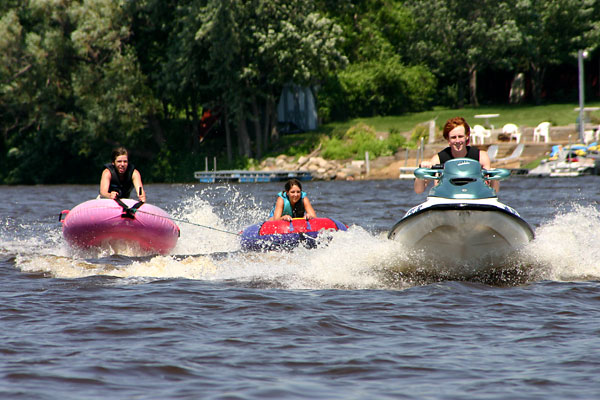
Pulling a tube behind a boat

Getting On The Water

1. Towable types: Towable tubes come in lay-down or sit-down styles, and each can provide a different riding experience on the water.

For instance, flat tubes give a much slicker ride but can get bouncy, which some people will love, of course. Also, since they have a flat surface, getting them to take off is easier, but they can whip pretty hard, making them great for teenagers or adults seeking adrenaline rushes.

It goes without saying that putting small children on a flat tube wouldn’t be a good idea unless they are used to it.

Sit-down tubes provide more protection on the sides and a more comfortable ride on the water. The downside of those tubes is that they are harder to take off. Sit-down tubes are great for children and less athletic people.

2. Starting Out: Ok, now you have everything ready; it’s time to get on the towable and have fun. But before you turn on the engine and start, ensure your tow rope is at the right length, 50ft min, and 65ft max. If it’s too long, the tube will have difficulty taking off. Also, the riders must lean back when starting out, and once it gets on plane, they can lean forward. Finally, don’t drive too slow or fast if you want your tube to take off.

3. Speed: It’s tempting to drive fast when pulling towable because it’s fun and exciting, but controlling speed must be your top priority to stay safe. Keep in mind that if you swing a towable out, it will go double the speed of the boat. For instance, if you drive at 40mph, the tube will go at 80mph, which is very fast. 20 to 25mph is the maximum speed when pulling a tube in a straight line. In turn, you should go slower, and if you pull children, you shouldn’t exceed 8 to 12 mph, depending on the age of the children.


Do’s And Don’ts

When tubing, there are certain rules you must follow so that everyone can have fun while staying safe.

Tube pulled by a boat

Do’s

1. Make Sure You Have All The Essential

Always have all the necessities on board to keep you and the riders comfortable and safe. Ensure you have water for everyone to stay hydrated, sunscreen, towels, and hats.

2. Be Careful When Coming Back To The Riders

When you return to the riders, be careful not to ride over your tow rope. Make sure to make a big turn and once you get to them, turn off the engine and help them get on board using the ladder.

3. Have An Eye On The Riders

Whether the law in your country requires it or not, always have a spotter on board to check if the riders are ok. They can fall off the tube, especially if you swing and send them into a wake.

4. Communicate With The Riders

One of The best ways to keep the riders safe is to talk to them before getting on the tube. Teach them some hand signals so that you can understand them from a distance. Here are some signs you want them to use when on the water:

  • Thum up = faster
  • Thumb down = slower
  • Spinning the finger = Keep going or go around again
  • Taping on the head = Stop

Don’ts

1. Never Go Tubing In High-Traffic Areas.

If the place is too crowded, you would be better off canceling the tubing sequence and postponing it to another day. Always go tubing in very open water to prevent any accidents.

2. Don’t Take Risks

Even if the tow ropes are the same length, are well secured, and you ride the boat prudently, pulling two tubes at the same time is not recommended. It can be dangerous. Yes, it’s fun, but why take such a risk?


Final Words!

That’s it! With this guide, you are all set up to have a fun a safe tubing experience. Just make sure you have all the right equipment and ensure everything is ok with your boat, of course, and enjoy!

Want More Tips?

Subscribe to Cruising Sea newsletter to receive every two-week the latest post straight to your inbox!


Want More Tips?

Sign up for Cruising Sea newsletter to receive every two weeks the latest post straight to your inbox!

Do you know other great techniques to pull a tube behind a boat? If so, feel free to share your experience in the comments below.

How to Repair Towable Tube – Best Tips and Tricks!

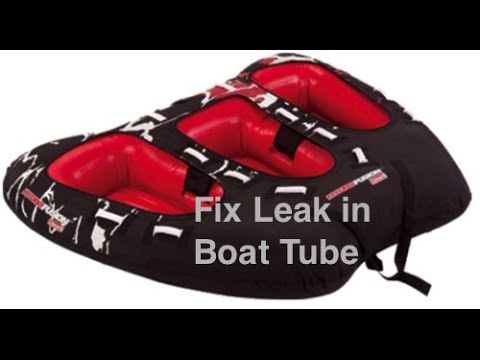
How to repair a towable

Though most of today’s inflatable towables are made from heavy-duty PVC and Vinyl materials, they are bound to get punctured or damaged at some point, either due to improper inflation or normal wear and tear.

When that happens and your towable falls outside the warranty period, you might need to figure out ways of fixing it yourself.

And knowing a few tricks on how to repair towable tubes can go a long way in saving you a lot of money that you would have otherwise spent on a repair shop.

Here is a step by step guide on how to go about it:


Things to Consider Before Starting Anything

Before you start looking for the leak on your inflatable tube, you might need to check the valve to find out whether there’s any grit or sand jamming the device.

It could be that these foreign fragments are causing the safety valve flap not to close properly leading to air leaks.

If that’s the case, you need to blow them out using an air pump or if necessary, replace the valve completely.

If indeed there are any holes or tears on the inflatable, you need to identify the extent of the damage and choose the right repair kit to purchase. Most inflatable towables are made of a substrate and a coating.

The role of the substrate is usually to provide strength while the coating is tasked with the work of providing waterproofing.

A coating can be in the form of a neoprene, Hypalon, or copolymer like PVC. On the other hand, a substrate can either be in the form of nylon or polyester.

Understanding your inflatable’s material will help you choose the right glue for your repair work. For instance, a glue that bonds perfectly with a neoprene material cannot work with a PVC or Hypalon material. Hence you need to be careful when choosing glues.


How to Detect the Leak

One of the most effective ways of identifying a leak on your inflatable is by mixing up dish soap or detergent in water, probably in a small bucket, inflating the tube fully, and pouring or brushing the soapy water on the section(s) you suspect to be leaking. If there’s any hole or leak on the tube, you’ll see soap bubbles form around the spot.

Another method is by removing the inflatable tube from its protective cover; deflating it till it’s about 3/4 full of air and slowly submerging it in water. If you see a line of bubbles from the water, it’s a sign of a leak in the given section. You can continue checking the rest of the tube surface to identify any other possible leaks.


What Material Do You Need?

If you are repairing an inflatable boat made from PVC fabric, you’ll need the following materials:

  • 2903 PVC primer and cleaner
  • 3026 two-part adhesive
  • Paintbrush (20 to 25mm bristles)
  • PVC material
  • Lint-free cloth
  • Polythene
  • Masking tape
  • Smoother for rubbing down

The Process of Repairing a Towable from PVC and vinyl

Whether you want to repair a minor hole or a large tear, there are different repair kits that can be suitable for any type of inflatable you may have. The kits are always available for both PVC and vinyl materials.

 
Steps for Repairing Small Holes in an Inflatable:
  1. Clean the repair area using water (preferably warm) and mild soap. Let it air dry for about 5 to 6 hours.
  2. Apply two or more drops of repair adhesive directly around the hole.
  3. Leave it for 24 hours for the adhesive to dry properly.
 
Steps for Repairing Large Holes in an Inflatable:

If you’re dealing with large holes, you’ll need a PVC or vinyl patch. And to complete the repair, you’ll need to proceed as follows:

  1. Cut the PVC or vinyl patch to a size big enough to cover the hole up to 12 mm beyond it. Be sure to form the patch into an oval or round shape.
  2. Using the lint-free cloth, wipe the surface of the patch and that of the tube with the primer and cleaner. Wipe until the surface is tacky and then allow it to flash off.
  3. Smear or brush a thin layer across the surface of the patch and over the area that needs repair
  4. Allow the patch to dry for close to 5 minutes till it’s tacky before positioning it on the inflatable
  5. Carefully put the patch onto the damaged area or section of the inflatable
  6. Work from the center to the outside of the edges of the patch by pressing down and sliding the smoother to create a seal
  7. Set a heavy object, such as a landscaping stone, on the patched area to ensure it dries perfectly
  8. Leave the adhesive to dry for a minimum of 24 hours


How to Ensure a Towable Repair Success

When applying the adhesive to the damaged area of the inflatable, make sure you smear it throughout the entire hole. You should do the same for the patch.

And if you’re using a self-adhesive patch from the inflatable kit, you may need to add some adhesive to its edges after drying for an even stronger seal.

Always check to confirm whether the adhesive is completely dry and the patch is airtight by pumping the chamber.

Once you are certain the inflatable is leak-free when fully pumped, you can go ahead and launch it back into the waters.


Dos and Don’ts

Before doing any gluing, you should ensure your workplace is well ventilated, warm, and dry. Air that’s too humid can cause the adhesive to bloom fast.

Since an inflatable repair adhesive is highly flammable, you should avoid using it near a gas fire, naked flame heat source, or smoking near it.

While applying the adhesive, you should take precautions to ensure it doesn’t come into direct contact with your eyes, skin, or clothing. If you are working with a two-part adhesive, do not use it if it has been mixed for 4 hours or more.


Tips

  1. Always make sure you have all the materials you need before starting the repair process. That means you’ll start and complete the repair quite seamlessly. If the cut is larger than 75 mm or the towable tube badly damaged, you should consider having it professionally inspected and repaired.

2. Though inflatable tubes are made of highly durable materials, the outer covering is usually very malleable, making them susceptible to abrasions and punctures. So taking proper care of your inflatable is the surest way of avoiding any repairs.

3. Don’t place the inflatable near sharp objects. And you should avoid dragging it on rocks, shells, or barnacles while planning to launch it into the water. If the dock has rough wood edges, you should avoid tying it there.

4. Instead, you should deflate it immediately at the shore after you’re done towing or floating on the waters. Proper care and good maintenance will surely ensure your towable lasts for the longest time possible to give the much fun you so crave for.


In Conclusion

Now that you have all the tips and tricks on how to fix a towable tube, you shouldn’t bother wasting your time and money going to a repair shop next time your toy gets punctured or torn a bit.

But all the same, you should take good care of your inflatable and maintain it properly in order to ensure it lasts longer and gives you more value for money.

Want More Tips?

Sign up to Cruising Sea newsletter to receive every two weeks the latest post straight to your inbox!

More articles

Do you know other ways to repair a towable? If so, you are welcome to share your experience in the comments below.